
By SUSAN JONES
At Pitt, the key word when it comes to student advising is — holistic.
“When you think about holistic advising, what that means is meeting students where they are, and understanding the student in front of you,” said April Belback, associate vice provost for student success and advising. “You don’t have to be everything, … but when you understand and can listen to that student, then you can also understand the ecosystem of the University and then refer students to that next thing that they need.”
For instance, advisors don’t need to be mental health or financial aid counselors, she said, “but they do need to maybe recognize when students should or could need more support in the space of counseling and help them get to that counselor.” In the same way, when a student is not happy in their major and wants to switch to another school within Pitt, advisors should be able to connect them with someone who can talk to them about a new direction."
This is part of the philosophy guiding the shared-advising model that Pitt debuted last year and that has now entered Phase B. It’s also been a big part of the discussion at Pitt’s annual Mentoring and Advising Summit, which has grown in scope and attendance each year since it started in 2018.
The shared model means a central administrative unit — in Pitt’s case, the Student Success Hub — provides supervision, oversight, coordination and support, while students are advised in their respective academic units.
The coordination, Belback said, means there is a minimum level of expectation from every advisor. When advisors are trained in the same way and have the same information “then every student has equitable information too. … To me, that’s coordination.”
The shared model also is working to more clearly define advising roles of professional staff academic advisors, faculty mentors, and program and resource advisors.
Phase B of the shared-advising model officially began on Aug. 13 with the inaugural Academic Advising Staff Professional Development Day and the launch the first of the “Big 5” standard interventions — encouraging and acting upon early progress reporting and making referrals to campus resources.
For early progress reports, the Student Success team will provide information, communication and a timeline. “What happens is, for example, when it’s time to launch the early progress reports, advisors will start to receive communications. ‘Hey, it’s pre-time, you might have to pull a list,’ or, ‘Hey, it’s time to do X, Y and Z, send communication to your students.’ And we provide things like templates and ways to identify students and how you can query students for intervention, things like that.”
Belback said all of this information is housed in Canvas. “We’ll send the communication to advisors, but then all advisors have to do is go into Canvas, and it makes their job more efficient. That’s the coordination piece. Then advisors have more time for relationships and time with students.”
The other four standard interventions, which are being developed by cross-campus working groups, are still in the works. They include:
- Academic standing and satisfactory academic progress
- Proactive outreach and support for continuing student enrollment in upcoming terms
- First-year intake and enrollment outreach
- Degree audit reviews
The professional development day also included information on advising best practices and holistic student success strategies. All advisors from the Phase A and B schools were required to attend and all others were encouraged.
The first phase — in fall 2024 and spring 2024 — involved advisors in the Frederick Honors College, College of Business Administration, School of Computing and Information, and School of Public Health.
The Dietrich School of Arts & Sciences Advising Center, College of General Studies, School of Nursing and School of Education are being added to the project this fall for Phase B, then the Swanson School of Engineering will join in the spring.
The Student Success Team also is launching the UUA (University Undergraduate Advising), which collaborates with college, school and campus partners to advocate for this system of academic support through holistic advising and coaching to undergraduate students across Pitt. The UUA coordinates academic coaching, exploratory and transitional advising, re-enrollment services, and academic interventions.
Aligned with the Plan for Pitt goal of cultivating student success, the main objective of the advising coordination project is to streamline the student experience and boost student success measures, positioning the University as a national leader in advising.
Mentoring summit
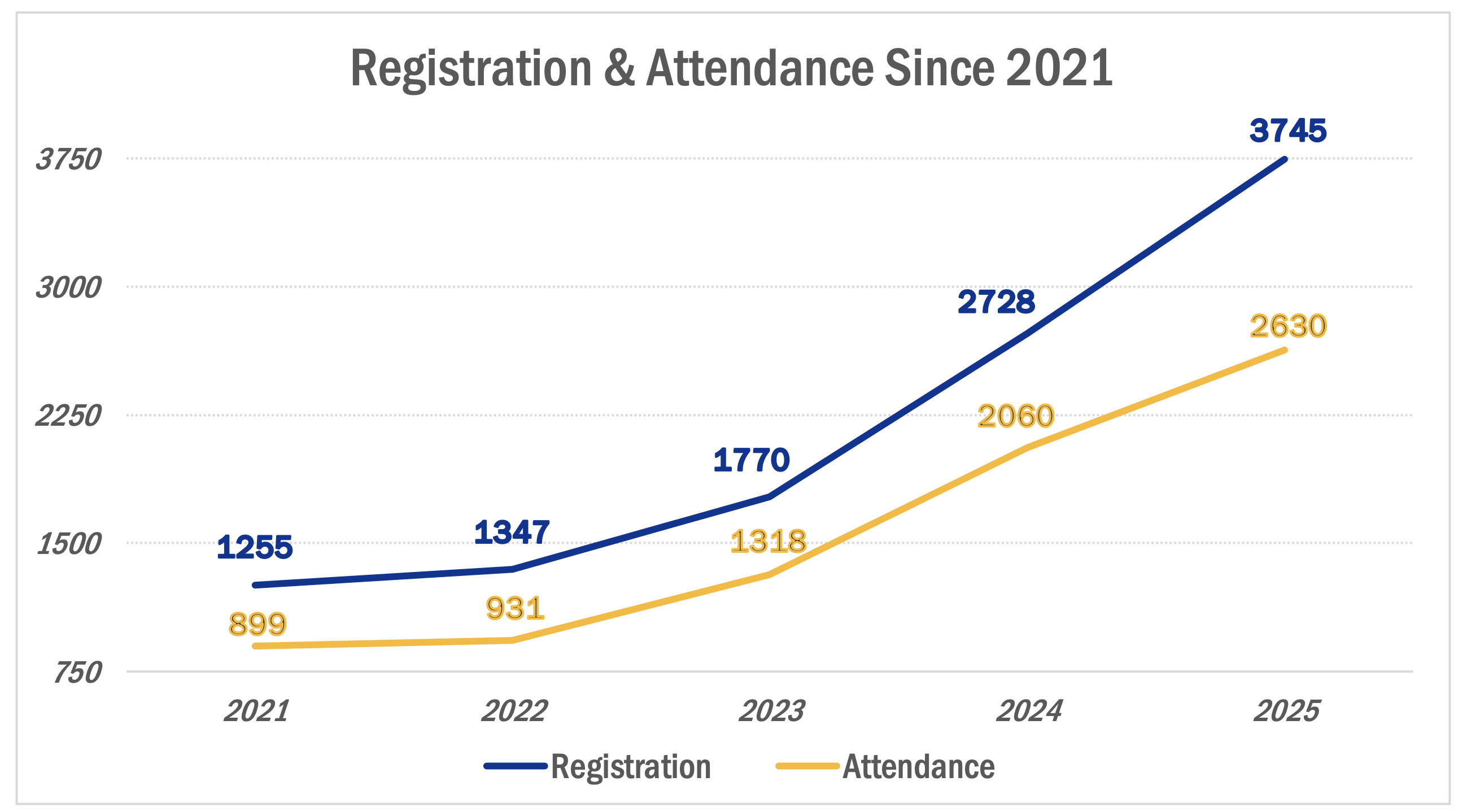
The Mentoring and Advising Summit also is helping Pitt become a leader in this area.
Belback said the summit was moved online in 2021, because of the pandemic, and “it kind of just exploded at that time, and we found a kind of a gap we were filling.”
“What we found in some of the data and some of the feedback that we’re getting is that we’re doing this the best nationally, really globally,” she said. “No one else is doing a conference like this online.”
Belback said she thinks one of the things that attracts people to this annual conference is “we’re able to provide an experience online that is pretty similar to an in-person experience,” but attendees still have the flexibility of an online event and can check in when they want.
In addition, the summit is free to attend, partly because of sponsorship from the Association for Undergraduate Education at Research Universities and the Advising Success Network.
“Our vision and mission has always been about inclusive excellence and sharing techniques and tools and concepts to support those who support students,” Belback said, emphasizing that includes the undergrad, grad and postdoc communities.
She gets support in running the summit from two other people in the provost’s office: Brett Soltysiak, who handles the logistics, and Jennifer Cooper, who develops the programming and sets the agenda.
The spring 2025 summit had 2,630 attendees (a 193% increase from 2021) from 300 different institutions.
One of the most popular breakout sessions at the 2025 summit — with more than 500 attendees — was “Attentive Communication and Creating Welcoming Spaces,” presented by Pitt colleagues Larissa Ciuca, associate director for University Undergraduate Advising, and Shannon DeMateo, an academic advisor in the College of General Studies.
“It was just a lot about building relationships, mentoring, mental health first aid, and then there’s practical things like how to create good notes,” Belback said.
The ninth annual Mentoring and Advising Summit will be held in spring 2026. The dates are not firm yet, but all the previous summits have taken place in March.
Susan Jones is editor of the University Times. Reach her at suejones@pitt.edu or 724-244-4042.
Have a story idea or news to share? Share it with the University Times