
Dental lab tech Salvador-Murillo had zero tolerance for laziness or bad craftsmanship
Rosa Salvador-Murillo, a dental lab technician in prosthodontics at the School of Dental Medicine for more 51 years with special expertise in crown and bridge work, died Aug. 11, 2026, at 79.
“Dental technology is a demanding job,” said William Octave, a clinical instructor in the school, in a written remembrance. “It requires steady hands, immense patience and an absolute dedication to detail. Rosa had all of that, but she also had something else: a completely unfiltered, brilliantly sharp tongue. Her occasional grumpiness wasn’t a flaw; it was her superpower. It meant she had absolutely zero tolerance for laziness, shortcuts or bad craftsmanship. She demanded the best from herself, and she expected it from the dental students too.
“Underneath that tough, beautifully stubborn exterior was a woman with a heart of absolute gold. Her colorful commentary wasn’t just entertaining — it was how she broke the tension, grounded us and reminded us not to take ourselves too seriously. … Lunches without her collegial wit and wisdom just won’t be the same.”
Lisa Swedowski, now clinic control manager in the school’s Office of Patient Services, met Salvador-Murillo when Swedowski joined the school in 1999. Salvador-Murillo would help dental students learn and perfect the making of impressions to form dentures.
“If there was something that needed to be corrected on them,” Swedowski said, “she could be opinionated. She loved working with students. She was tough with them, but she was fair. She believed in following the rules of the school.”
Fellow lab technician Norman Macher knew Salvador-Murillo in the years before she retired toward the beginning of the COVID pandemic. “Rosa was a kind person, but you had to get to know her,” he recalled. “It was easy to talk to her about anything,” he added, and yet she could also be a very private person.
There were many examples of her kindness, he said — bringing an unexpected dinner to him when he was working late, for instance. Even when they disagreed, they were always able to solve it, he added: “She would put little things in my backpack and surprise me like that. I loved working with her. She was always doing stuff like that and it touched me.”
Another fellow lab technician, Susan Straud, remembered Salvador-Murillo as “frank but nice.” She knew if the students did not come to understand proper techniques it would hamper their success, Straud said: “They didn’t always like that but they were thankful for it in the end. She always helped the students. They never got stuck when she was here.”
Born Dec. 31, 1946, in Zaragoza, Spain, Rosa Salvador-Murillo graduated from Pitt, receiving all her training and certifications here.
She is survived by her brother and sister-in-law, Jose Luis and Maria Dolores Salvador Murillo; her sister, Ester Salvador Murillo; nieces Olga Salvador Murillo, Ester Jimenez Salvador and Maria Jimenez Salvador; nephews Jose Luis Jimenez Salvador and Javier Jimenez Salvador; grandnephew Roberto Alumundi Salvador; and grandniece Alexandra Jimenez.
Memorial gifts are suggested to Healthy Smiles Fund, c/o University of Pittsburgh School of Dental Medicine, 3501 Terrace Street, Pittsburgh, PA 15213, with checks payable to University of Pittsburgh School of Dental Medicine (and Healthy Smiles on the memo line).
— Marty Levine
Birnberg had impact at Pitt Business for more than 60 years
Jacob “Jake” Birnberg, Robert W. Murphy Jr. professor of management control systems in the School of Business for 42 years, with an additional 20 years as a dedicated emeritus faculty member, died Aug. 28, 2026, at 92.
"Jake took such joy in helping other people succeed,” said Vicky Hoffman, professor emerita at Pitt Business. “He helped me as a junior faculty member and has helped countless others. He kept up with so many people and was truly thrilled with other people’s successes.”
Birnberg kept actively involved in scholarship during retirement and stayed in touch with many former PhD students.
“Almost every former doctoral student I have been in touch with, many of whom are chaired professors at other universities today, have said that they owe their career to Jake or that he had a tremendous impact on their career,” Hoffman said.
Birnberg joined the Joseph M. Katz Graduate School of Business in 1964 after serving on the faculty at the University of Minnesota and the University of Chicago’s Graduate School of Business. Additionally, he taught at the London Graduate School of Business Studies and Oxford University (Templeton College).
He published more than 100 papers in journals, books and conference proceedings spanning not just accounting, but human behavior, management science, psychology and public policy. His scholarship focused on the application of behavioral sciences to accounting problems, examining questions from both the organizational and the individual or group level.
As Don Moser, professor emeritus at Pitt Business, recalled: "It was Jake’s boundless intellectual curiosity and openminded view of research that built the accounting area into the prominent research group it became under his leadership,”
Birnberg served as editor of Behavioral Research in Accounting (1995-1997) and as an associate editor of Accounting, Organizations and Society at the same time, and remained active on the editorial boards of numerous accounting journals after his retirement. He was president of the Management Accounting Section of the American Accounting Association (2004-2005) and continued to be an engaged member of that section and of the Accounting, Behavior and Organizations section.
Among his many accolades were the Lifetime Scholarly Contribution Award (1999) from the Accounting, Behavior and Organizations Section of the American Accounting Association; Outstanding Accounting Educator Award (2002) from the American Accounting Association.; and the Lifetime Contribution to Management Accounting Award (2009) from the Management Accounting Section of the American Accounting Association.
Doctoral student development was one of his passions. He served for many years as academic director of the Doctoral Program and chaired more than 30 PhD dissertations. He was known to send messages of congratulations when former students or colleagues were published.
His legacy goes beyond the field of accounting since he took the time to connect on a personal level.
“He was truly a kind and generous person and has played such an important role in so many of our lives,” said Moser. “Jake was so highly regarded by scholars around the world that, whenever I visited other campuses, faculty members would ask me about Jake and tell me to take back greetings.”
Birnberg was a visionary scholar defined above all by his boundless intellectual curiosity, extraordinary generosity and lifelong commitment to helping others.
Memorial gifts are suggested to the Jacob Birnberg Recognition Fund, created several years ago by former doctoral students who wanted to recognize his many efforts on their behalf.
He was the husband of Stephanie and is survived by his daughters; Marcie (Tim) Austen, Carla Birnberg and Dana Birnberg, as well as four grandchildren.
A memorial service in partnership with Pitt will be held at a date to be announced.
— Carole Reinert, senior marketing and communications analyst, School of Busines
Bill King help created the academic information systems field
William R. “Bill” King, a professor in the School of Business for 37 years who played an instrumental role in creating the academic field of information systems, died July 23, 2026, at 87.
King founded the Information Systems Research Journal, serving as its editor-in-chief and as associate editor for six other business-related journals. He published profusely; having contributed to more than 300 papers in the leading journals in IS and related fields, and authored, co-authored or co-edited 15 books.
His research primarily addressed strategic planning for information systems, in which he was a pioneering researcher. He also published in the areas of knowledge management, organizational learning and business planning, among others.
King received a Leo Award for Lifetime Exceptional Achievement in Information Systems (IS) in 2025.
In a previous issue of the University Times, Richard T. Watson, president of the Association for Information Systems, noted: “The three cornerstones of the information systems field are the MIS Quarterly, the International Conference of Information Systems and the Association for Information Systems. Bill King has played a leadership role in every one of these scholarly domains as editor-in-chief, co-founder and conference chair and founding president, respectively.”
King was also recognized as a Fellow of INFORMS and Decision Sciences International. He was president of The Institute of Management Science (TIMS) and his work led to the establishment of INFORMS in 1995.
“He was just extremely fast at doing anything, especially evaluating applicants to our PhD program or faculty positions,” remembers Dennis Galleta, a professor of information systems at Pitt Business. “That was long ago when I was very green and would take an enormous time reading applications.”
He was born on Dec. 24, 1938, and retired in 2008.
King is survived by his wife, Fay Eileen King, daughter Cambria King of Fox Chapel, and four grandchildren.
— Carole Reinert, senior marketing and communications analyst, School of Business
Greensburg’s Mazumdar ‘went out of her way to take care of her students’
Lipika Mazumdar, a nearly 25-year assistant professor of anthropology at Pitt–Greensburg known for her dedication to bringing a wider, worldly perspective to students, died on July 12, 2026.
A memorial for Mazumdar will be held at 5 p.m. Oct. 8 at Campana Hall on the Pitt–Greensburg campus.
 “She came from a different culture, from a different country,” noted her long-time colleague Pilar Herr, associate professor of history at Greensburg. “She wanted to impart her vast knowledge of her home country and so many other things. She just wanted to change students’ minds and students’ hearts. That’s who she really was.
“She really made a difference in a lot of people’s lives, even if she didn’t know it at the time,” Herr said. “I think her legacy is that she really cared about her students” as much as she cared about such issues as environmentalism, human rights and animal rights. “She was passionate about teaching students about these subjects and in encouraging students to go and explore the greater world. I guess in that sense she was a true anthropologist.
“She was literally like a big sister to me,” Herr added, and she was a very dedicated instructor in what was sometimes essentially a one-person department, teaching at least four and sometimes six classes a semester.
Mazumdar’s training as a cultural anthropologist informed her choice of courses. She taught at least 44 different courses while here — some repeatedly, others just once — ranging from perennial offerings (such as Introduction to Anthropology; Anthropology of Law; Reproductive Politics; Climate Change and the Human Challenge; plus Anthropology Capstone courses) to singular courses on Gender, Race and Class; Nationalism and the Postcolonial Experience: South Asia; Identities Beyond National Boundaries: Migration in Global Perspective; Transaction and Exchange in Non-western Cultures; and many more.
She directed students doing local fieldwork in anthropology, brought speakers to campus and took students to India for study abroad experiences across several years. On campus she also ran an informal student group called “News of the World” for student discussions on world news at lunchtime in the campus coffee shop, on her own initiative.
Herr traveled with Mazumdar, and the two were planning a trip to India in the near future. “She sometimes would come off to people as a bit gruff, rough on the edges, but that was an act. The reality was she had a huge heart. She went out of her way to take care of her students.”
Herr recalls Mazumdar meeting with one perpetually late student and asking “How can I help you?” It turned out that this student, an immigrant, lived in Pittsburgh and took a lengthy bus trip to and from Greensburg every day; when she was late, it was because her bus was late. Mazumdar offered to take the student back and forth to Greensburg every day that she herself commuted from her Pittsburgh home. “That was who she really was.”
Lipika Mazumdar was born in the state of Bengal, India. She earned simultaneous bachelor of arts degrees in anthropology and English from the University of Wyoming in 1984, then her master of arts degree in anthropology from the same institution in 1987.
That same year she joined Pitt as an anthropology teaching fellow, adding stints as an instructor in the College of General Studies for many individual semesters through 1994, when she began single or several-year periods as a visiting professor, fellow or visiting instructor in anthropology at Loyola University of Chicago, St. Lawrence University, Appalachian State University and Oberlin College.
She did her PhD in anthropology at Pitt in 1998, with a thesis on “Sacred Confluence: Worship, History, and the Politics of Change in a Himalayan Village” in India, In 2002, she joined Pitt–Greensburg as an assistant and a research associate professor.
Through the years, her research subjects have included the question of identity among Tibetan refugees in India; the Chinese, Indian, Korean, Japanese, Filipino, Vietnamese and Syrian-Lebanese communities in Allegheny County, as part of the Steel Industry Heritage Task Force; doctor-patient communication of healthcare options at UPMC; the impact of Hindu nationalism on the Himalayan village where she researched her dissertation; and local religious and educational environmental engagement and activism (including human-animal dynamics) in Leh, India.
She also lectured locally and throughout North America on many of her course and research topics, and served her campus and University on dozens of academic and faculty senate committees.
Another of her Greensburg colleagues, Gina Munir (assistant professor of biology and biological anthropology), first met Mazumdar through one of Mazumdar’s anthropology students, who was a friend of Munir’s. Munir then joined Pitt in 2021.
“Her heart and soul went into making the anthropology department what it was,” she said of Mazumdar. “She felt that everyone should know about anthropology. After all, anthropology is the study of humans.” How can you know humans without studying anthropology?
Munir saw Mazumdar teach several times: “She was very old school,” avoiding PowerPoint presentations, for instance. “‘Share your opinion, share your thoughts, let’s talk about this.’ She wanted to make sure you understood in depth about the material. The students that she mentored became very close. They would go to dinner at her house. When she found a student who was interested she really took them under her wing. She thought of her close students as her children, as her family.”
As a colleague, when Munir was a new faculty member, “she was always keeping us on our toes. She always wanted me to put cultural aspects into my teaching.” And, Munir added, “she always wanted me to be a well-rounded professor. She would help me work better.” The pair were even devising a new class together recently, to be called ‘Humans and Other Animals.’”
Mazumdar’s larger goal, said Munir, was “to make Pitt—Greensburg more interdisciplinary. “You need all aspects of knowledge – not just humanities, not just technology. To understand what it means to be fully human, you need to know everything. Not just one thing.
“She loved things so deeply and passionately,” Munir recalled. “I think some people took that as a little intimidating.” But it was a sign of her dedication, Munir said. Mazumdar may have been quite short, “but you remembered her because she had the biggest personality you would ever have met.”
Munir remembered one demonstration of her “sensitive and kind heart” during a visit to Munir’s family farm, when Mazumdar got to see baby peacocks that had hatched just hours earlier. She took one and “picked it up and held it to her chest. She just started cradling it like a little baby. It was very heartwarming, and that’s where I think you caught the most of her.
“She was such a brilliant woman and she cared so much not only about animal rights but about human rights,” Munir said — not only about stopping injustices but celebrating the best parts of humanity as well: “That everyone has the same rights in life, that everyone was well rounded and had a chance to be the best human.”
Greensburg communication faculty member Ann Czerwiński was an officemate and then office neighbor with Mazumdar. “You always knew where you stood with her,” Czerwiński wrote in a remembrance. “There were no pretenses; she was always genuinely Lipika. She cared deeply about the study of anthropology and she held the major together … She was committed to keeping the major of anthropology alive and well at Pitt, which was, as you can imagine, a great challenge for one person.
“She still has deep connections with a number of previous students she has taught over the years, and I have heard a couple of them recently sharing many fond memories of her. She genuinely enjoyed being out in nature, watching birds, and working on her various garden plots throughout her stunning nectar-filled yard. If you go to her house, you see aspects of Lipika everywhere you turn. From the milkweed she planted for monarch butterflies and the red bee balm for the many species of bees that visit her gardens, to the numerous birds fluttering around her many bird feeders, to all the beautiful decorations in her home, it is all uniquely Lipika.”
She is survived by her husband, Philip Bittenbender, sister Malabika “Mala” Mukherjee and brother Abhinav “Romi” Mazumdar.
— Marty Levine
Ruth Mullen, longtime Cathedral custodian, made Pitt more welcoming
From PITTWIRE
For almost 25 years, Ruth Mullen was not only a custodian in the Cathedral of Learning, she was also its caretaker. Known by Pitt students, faculty and staff for her warm, outgoing presence and unflappable disposition in the face of floods, muck and tarnished handrails, the employee of the University’s Office of Facilities Management died on June 8. She was 57 years old.
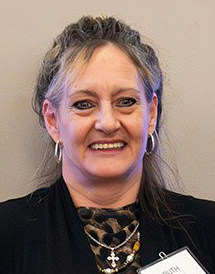 In February, in recognition of her significant impact on the Pitt community, Mullen was awarded a Chancellor’s Distinguished Service Award for Staff in the category of Outstanding Career Achievement.
In a nomination letter for the award, Rebecca Roadman, chief of staff for Pitt Finance and Operations, said Mullen was not only responsible for maintaining the Cathedral of Learning but also for helping define what it meant to be part of the Pitt community.
“As someone who interacts with Ruth daily in our office, I have witnessed firsthand how she transforms spaces into welcoming environments,” Roadman wrote. “Her attention to detail and genuine pride in her work create an atmosphere where students, faculty and staff feel valued.”
Chancellor Joan Gabel also fondly reflected on Mullen’s steadfast, sunny presence when tending to the Cathedral.
“Ruthie greeted me and so many others every morning with warmth and generosity. She was so devoted to the University of Pittsburgh, and her kindness and care touched countless members of our community,” said Gabel. “Ruthie will be remembered not only for her many years of service, but for the genuine care she showed everyone she met. I know I speak for all of us across the Pitt community when I say she will be deeply missed.”
Bridget Gilbow, who worked as a custodian alongside Mullen for 16 years, also noted Mullen’s dedication to her job. What drove her, said Gilbow, was her faith. “To get through a bad day, Ruthie would always say, ‘God’s got us,’” she said.
During the span of her Pitt career, Mullen worked on every floor and in every room of the Cathedral of Learning, her former colleague Floyd Clawson said. According to Clawson, everyone in the building knew him and Mullen, including Chancellor Emeritus Mark Nordenberg, who worked in the Cathedral’s first-floor chancellor’s office for 18 years.
“Chancellor Nordenberg called us the A-Team,” said Clawson, “because when he saw us coming, he knew something was getting done.”
Ralph Moeslein, Mullen’s supervisor in Facilities Management since 2018, said she began her Pitt career in 2001 and spent earlier years handling a particularly hard assignment: caring for Heinz Memorial Chapel: “It’s a lot of wood and a lot of detail work,” he pointed out. She was also his lead team member, Moeslein said, “with respect to special situations on the fly. That was part of her role and I trusted her to do that.”
In the Cathedral of Learning, he added, “she always went that extra mile to make sure things were done. Ruth was a very dedicated worker. She really wanted to do the job for the people she worked for.” He also noted that she was nominated for her Chancellor’s Award by the people whom she served in the Cathedral.
Mullen will be remembered for the genuine kindness and respect she brought to her interactions with anyone who visited the Cathedral of Learning, said Laura Zullo, vice chancellor for facilities management.
“She was truly a fixture on the first floor. She brightened our day when she entered our space, always sharing a smile and a warm ‘Hello, hello!’ Ruth’s demeanor reflected professionalism and warmth, and she consistently represented the University with integrity and pride,” said Zullo.
Mullen is survived by her husband, Anthony Mullen; her loving children, John M. Gill and Lois (Mullen) Strickland; her cherished grandchildren, Nevaeh Rodgers, Bladen Strickland and Mariah Sines; siblings Frank Hayson, Gloria (Hayson) Vogel, George Hayson, Joni Gill and Kim Gill; and many nieces and nephews.
— Nichole Faina, with contribution from Marty Levine
Former Dean Lawrence Korb led GSPIA during a ‘formative period’
Lawrence J. Korb Sr., Graduate School of Public and International Affairs (GSPIA) dean in the mid-1980s, died on April 20, 2026, at 86.
“There were high expectations for Larry’s deanship because of his extensive experience at the highest levels of government and his vast professional network,” said Kevin Kearns, professor in what is now the School of Public and International Affairs (SPIA). “Wesley Posvar, who was then (chancellor), was particularly enthusiastic about Larry’s deanship.”
In 1986, Kearns — who had earned his PhD at GSPIA in 1983 — was at Carnegie Mellon as director of executive programs at what is now the Heinz College. “Mindful of Larry’s former position as assistant secretary of defense in the Reagan administration, I asked him to give a one-day seminar to a group of senior federal executives. ... Larry and I then engaged in discussion of if and how GSPIA might have a greater presence in the area of executive training programs, particularly for federal, state and local executives.
“I remember him asking me in a humorous way, ‘Why are you working at CMU when you have such deep ties in GSPIA?’ ” Kearns said. “He then recruited me to return to GSPIA,” as assistant dean for strategic planning and external programs (1987-88) charged with expanding GSPIA programming in that area.
“We conducted an executive seminar for city of Pittsburgh managers and laid the foundation for expanded programming for nonprofit leaders. He told me that he loved his work at GSPIA and hoped he would stay at Pitt for a long time. Very shortly after, however, some personal and professional ties drew him back to Washington, D.C., where he continued to play significant advisory and consulting roles on issues of defense policy and international affairs.”
Another SPIA faculty member, Louise K. Comfort, recalls Korb impressing then-Gov. Dick Thornburgh in 1986, when Pitt hosted the Governor’s Academy for Pennsylvania state employees. This annual event rewarded Commonwealth employees for exceptional service with professional development sessions: “A planning effort was in progress, but apparently it was not progressing to Larry’s satisfaction. The schedule was set; a group of select Pennsylvania state employees were coming to campus; and Larry asked me to put together a simulated decision-making exercise in six weeks that would focus on decision making in emergencies across multiple state agencies.”
Oddly, for Pennsylvania, the simulation was supposed to involve an earthquake in Pittsburgh. “There had, in fact, been a small 5.2 earthquake north of Pittsburgh near Erie the year before that had caught state employees totally unaware. Larry asked what I needed to create a scenario; I asked for an excellent grad student with GIS (Geographic Information System) skills. We scrambled to create a scenario that generated small landslides, closed bridges, caused evacuation hazards and tested the policy-making skills of the state employees.
“Some 35 distinguished state employees came. Larry welcomed them to GSPIA’s program in public policy and the state employees engaged fully in the simulation. After a lively discussion and enthusiastic response from the group, Larry received accolades from the governor for showcasing GSPIA’s policy-making strategies. It was indeed decision making in process, but Larry managed it well and GSPIA remained in good favor with the governor.”
The school, in a memorial statement, noted Korb’s service to GSPIA at “a formative period in the school’s history. … His leadership reflected a deep connection between academic study and public service — an approach that continues to define SPIA today.
“His tenure at GSPIA,” it continued, “followed the school’s founding by Donald C. Stone and contributed to a broader legacy of leadership that has shaped generations of public servants and policy professionals.”
Born July 9, 1939, Korb served in the Navy in Vietnam and the Pacific, retiring from the Navy Reserve as a captain. He was assistant secretary of defense for manpower, reserve affairs and logistics under President Ronald Reagan and held national security positions at several think tanks in the nation’s capital.
He is survived by his wife of 36 years, Lane Stone; siblings Margaret Bailey, Michael Korb and Joseph Korb; children Mary Kay (Scott) MacMillan, Karen Schanke, Julie (Adam) List and Lawrence (Julie) Korb, Jr.; and grandchildren Jody (Blake) Ellis, Tommy (Caroline) Schanke, Audrey List, Allie MacMillan, Andrew MacMillan, Jane List, Grant Korb and Charlotte Korb.
Memorial gifts are suggested to Support Our Aging Religious (S.O.A.R.).
— Marty Levine
As administrative assistant, Kanhofer was someone who ‘would figure it out’
Sondra “Sonnie” Kanhofer, who spent more than 25 years as an administrative assistant, much of it at the Katz Graduate School of Business, died March 20, 2026, at 83.
“She was simply extraordinary,” recalled Frits Pil, distinguished service professor in the School of Business, who worked with Kanhofer during his years as a junior faculty member. “At a time when I was working to integrate two faculty groups in the business school, Sonnie helped me navigate the administrative landscape with wisdom and great care to ensure the new group’s success. Her insight, energy and attention to detail ensured that nothing fell through the cracks.
“More than that,” he added, “Sonnie was a joy to be around. She brought warmth and humanity, often sharing stories of her daughters, her pets and her love for music. She made Pitt Business feel kinder and more personal.”
Kanhofer began her Pitt career at the School of Education in the mid-1980s and retired in May 2012.
Dione Cahillane, now with Howard Hanna Real Estate Services, worked with Kanhofer in two Katz centers, the International Business Center and the Center for International Enterprise Development, in the mid 1990s. Among the centers’ work was an exchange program with MBA faculty and students in the Czech Republic, Slovakia and Hungary.
“She was always so welcoming to the international faculty and the international students,” Cahillane aid. “She would be very patient with them” as she supported their work here. “She was great about explaining things to them” including “culture in Pittsburgh. There would be busy days, but she would get it done.
“She was a great colleague, the kind of person who would figure it out,” Cahillane added — particularly at that time of change, when the Internet was entering the workplace. She also remembered that Kanhofer “loved to go over to Phipps Conservatory and walk the outside gardens for her lunch break.”
Dennis Slevin, now professor emeritus in the Katz school, worked with Kanhofer for 15 years. When she first arrived, he said, “she turned out to be a real joy to work with, both an efficient and very pleasant person to have on board. I couldn't have asked to have a better secretary.” She was also extremely good at aiding students, he recalled, which he credits to her experience with her own daughters. “She came across as a soothing, pleasant person who really wants to help the student out, and that's a nice person to have in the team.”
In planning international research conferences, he said, “she was a very good project manager” as well. “And she was a good example for the rest of the secretarial staff, especially the younger secretaries.”
Sondra Kanhofer is survived by daughters Kelli Robinson (Eric) and Kristen Thomas (Gordon); grandchildren Matthew and Ashley Robinson and Morgan Thomas; siblings Kathleen (Gray) Gilliland (Herbert II), and Kenneth Gray (late Margaret); as well as nephews, cousins and extended family.
A celebration of life is planned for a later date. Memorial gifts are suggested to the Humane Animal Rescue of Pittsburgh or the Parkinson's Foundation.
— Marty Levine
Zemaitis 50-year career impacted education, research and service at pharmacy school
Michael Zemaitis, whose 50-year career was dedicated to the School of Pharmacy, died March 28, 2026 at 79.
 “The goal of education is to produce life-long-learners, and Professor Zemaitis typified that goal at the highest level, both as a learner and as a leader,” said Randy P. Juhl, Pharmacy’s dean emeritus and distinguished service professor emeritus, in a remembrance. “He taught such a broad range of courses over that past nearly 50 years; his research and service activities likewise were in a state of constant reformation. And, importantly, he operated at the high standards he set for himself.”
Juhl noted that Zemaitis “maintained a shatterproof loyalty to the School of Pharmacy and the University, despite seismic challenges” — particularly the planned move, in 1984, to close the school, which was reversed after several years.
“Through it all, Mike’s commitments to students and colleagues never wavered, although he wasn’t shy about denouncing” the effects of this plan, Juhl said. “He went on to develop new courses and teaching methods across the Health Sciences. He also served with distinction in important leadership roles in the School of Pharmacy and also in the commonwealth’s efforts to minimize the tragedies of drug abuse. He was a talented and beloved colleague.”
Kellie Mitchell, Pharmacy’s executive director of strategic initiatives and another long-time colleague of Zemaitis, recalled that Zemaitis “was a deeply respected member of the Pitt Pharmacy community whose impact spanned education, research and service.”
His research, she noted, “focused on the genetic and environmental factors influencing hepatic drug metabolism, with significant contributions to analytical methodologies, including the development of assays for drugs, metabolites and endogenous compounds. He established a mass spectrometry laboratory within the school, advancing drug analysis and the study of medicinal plant constituents.
“On a personal level, Mike was passionate about teaching and deeply committed to his students. His sharp wit and warm sense of humor left a lasting impression on all who had the privilege of working with him.”
Patricia Kroboth (also a dean emeritus and distinguished service professor emeritus), on whose master’s and doctoral degree committees Zemaitis served, remembered him as very influential among fellow faculty in the early adoption of technological advances.
“He wasn't a Pollyanna, so when he went after it, and promoted it, he had great credibility among the faculty,” she said. Kroboth recalls that Zemaitis was one of the earliest adopters of Blackboard, used at Pitt as the learning management system before Canvas — one of only six faculty trying it out across many schools at first. He was also, she recalled, “among the first faculty members to use video technology to broadcast a course to two campuses.”
Zemaitis also developed the Prescription Drug Monitoring Program in Pennsylvania, she said, “as a way to identify over-prescribers and patient opiate ‘shoppers.’ He worked through the appropriate channels in Harrisburg and, in August 2015, the program was implemented. By 2023, Pennsylvania was sharing prescription drug monitoring data with over 30 states and military programs to track interstate ‘shopping.’
“He saw that there was a crisis, not only in Pennsylvania but across the nation, and there were some ways of helping,” she said. “He took that on because he said that it was a tool pharmacists could use.”
She also pointed to his work with Chancellor Emeritus Mark Nordenberg and others for the “Continuum of Care” publication and program that addresses all forms of needs of those experiencing homelessness. Zemaitis also teamed with then-Senior Vice Chancellor Arthur Levine to develop the Pitt-industry medical marijuana research joint venture.
In the School of Pharmacy, Zemaitis served as vice chair for education in the department of pharmaceutical sciences from 1996 to 2002, then as interim chair for two years.
Zemaitis held the former job when the school was adding its pharmacy doctorate program, and “he really showed the way again,” Kroboth said. She and he were part of a team that developed a course that remains in place today “as cognitive scaffolding, a survey course of these different areas in pharmacology. He had brought a willingness to try new things that set an example for other people in leadership.”
Another of Zemaitis’ former students and colleagues, Sam Poloyac, is now dean at the University of Texas–Austin’s College of Pharmacy. He was at Pitt for 21 years, including as associate dean.
As a professor, Zemaitis “was a very interactive, engaging faculty member,” Poloyac said. “He explained things in a clear and sometimes entertaining way. He always had that sharp wit that he would bring to the classroom,” and his classes were highly sought by students.
As a colleague, he added, “when you needed to talk about anything, you'd knock on his door. He was a straight shooter and he had a real clear way of thinking about things and he knew the college really well. I could turn to him for advice on many, many topics.”
He was part of a team-taught course with Zemaitis, “Principles of Drug Interaction,” meeting often to discuss the synergy between their two class portions and sharing students’ progress. “He helped me out a lot when I first was faculty,” said Poloyac, and also when Poloyac moved to the tenure track.
Zemaitis had a memorable way with words, and Poloyac recalls discussing how school programs were outgrowing their facility at a faculty retreat in 2003, only to hear Zemaitis sum up the situation: “‘I equate the school to a turtle on steroids. It is growing in the inside but it has nowhere else to go.’
“His wit wasn't just for making people laugh,” he added. “It had a point to it. He was always focused on how we could get better together and I always appreciated that.”
Amy Lynn Seybert, the school’s current dean, who also was Zemaitis’ student and colleague, recalled: “He spent decades teaching, laughing and making every day at Pitt Pharmacy special.”
Michael Alan Zemaitis was born on Aug. 21, 1946, in York, Pa. He earned his BS in Pharmacy from Pitt in 1968 and his PhD in Pharmacology from Penn State’s College of Medicine in 1975. He spent his entire academic career at the Pitt’s School of Pharmacy.
He is survived by his wife, Virginia “Ginny” Zemaitis; children David (Staci) Zemaitis, Mark (Bethany) Zemaitis, Kristi Bigos and Michael Bigos; grandchildren Katie, Michael, Sam, Rebecca, Tessa, Dylan, Rowan, Caroline, Griffin and Makena; sister Ann (Wes) Bridge and brother Tom (Jackie) Zemaitis; nieces and nephews Amy, Jane, Dan (Kelly), Steve (Liz) and their children Elena, Maya, Nolan, Will, Quinn, and Eve.
Memorial gifts are suggested to the F. Gary Haberle Scholarship Fund at the University of Pittsburgh School of Pharmacy.
— Marty Levine
McCord led acquisition for Honors College Wyoming program
Edward McCord, former senior lecturer and director of programming for the David C. Frederick Honors College — who was instrumental in the acquisition of a 4,700-acre site for the Wyoming Yellowstone Field Studies program under founding Dean Alec Stewart — died Feb. 23, 2026.
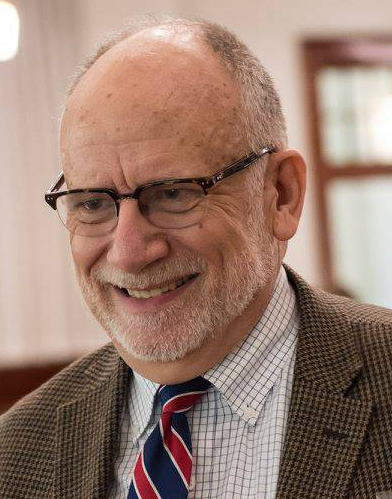 “Ed’s impact on the Frederick Honors College was beyond formative — it was profound,” said Nicola Foote, dean of the Fredrick Honors College. “Nowhere was his passion more evident than his coordination of our Wyoming Field Studies Program, where his vision and generosity helped create transformative opportunities for students to engage deeply with the landscape, history and community at the Allen L. Cook Spring Creek Preserve.
As director of special programs, he advanced several of Stewart’s signature initiatives, Foote said, “providing opportunities for intellectual curiosity, cultural exploration, civic engagement and mentorship — which still root and guide our honors programmatic values today.
“His legacy will be of passion and deep commitment to experiential learning, which shaped the lives of generations of Pitt Honors scholars past and present through experiences he championed outside of the classroom.”
Charles E. Jones, faculty member in the Department of Geology and Environmental Science in the Dietrich School of Arts & Sciences, team taught a course with McCord for several years, “Environmental Ethics, Science and Public Policy.”
Jones remembers his own lectures as “diagram-heavy … but Ed could more extemporaneously deliver his lectures. He had the ability to carry people along, to get them seeing what he was seeing and get them excited about what he was excited about.
“He was warm, friendly, outgoing, voluble,” Jones said. “He was very enthusiastically positive about things. His skill at making the story gripping” made students remember his lessons. “He had boundless enthusiasm for the eccentricities of different species. He really found the idiosyncrasies of each species endlessly fascinating. I feel like I remembered things from the way he spun a tale.”
Jones recalled hearing McCord tell of a wild creature — a young opossum, Jones believes — that McCord found as a child and raised, but had to release when it grew to full size. He told Jones it was heartbreaking to watch it walk straight into the woods without looking back. But it taught McCord that “we bring our own feelings to nature. And it isn’t necessarily true that those feelings are reciprocated. They remind us to step back a little bit, to love, treasure, preserve the natural world, but be objective about it.”
The value of McCord’s Yellowstone and Spring Creek classes were evident, Jones said: “It wasn’t just that it was a cool experience that undergraduates could have. It was the premier experience you could have as an undergraduate at the University of Pittsburgh.”
Edward Leroy McCord was born on July 18, 1950, in Tallahassee, Fla. He earned his A.B. in philosophy from Princeton (1972) and three degrees from Pitt: an M.A. in cultural anthropology, a PhD in philosophy, and a J.D.
His 2012 book, “The Value of Species” (Yale University Press), posited that all species possess intellectual and moral value beyond whatever market value humans place upon them. For years at the Spring Creek Preserve he led students through the study of dinosaur fossil beds and environmental law. He established the Ed McCord Experiential Learning Fund to aid students in future field-based work.
Former Chancellor Mark Nordenberg recalled his “partnerships and friendship” with Ed McCord across nearly 40 years, including times as McCord’s law professor. Nordenberg also was central in recruiting McCord to serve as director of the Dick Thornburgh Forum, “even while he continued shouldering significant responsibilities in the David Frederick Honors College. Ironically, when Ed confidentially approached me some years later to say that he was contemplating retirement but wanted to ensure that the Dick Thornburgh Forum would be effectively led in the future, I became his successor in that role. He also came out of retirement to organize a trip that I made to the Allen Cook Spring Creek Preserve in Wyoming, something that I had not been able to do as chancellor.
“Ed McCord was a person of great ability, strong values and a warm human heart,” Nordenberg said. “I honestly do not know of anyone who had dealings with Ed who did not like and respect him and feel better for having been involved with him.”
He is survived by sister Betsy (Jack) Kelly; brother Guyte (Beverly) McCord; and many nieces, nephews and cousins.
Memorial gifts are suggested to the Ed McCord Experiential Learning Fund.
— Marty Levine
David Waldeck was ‘a towering figure in chemistry’
David H. Waldeck, distinguished professor of chemistry, where he served as department chair (2005-2014) and as academic director of the Gertrude E. and John M. Petersen Institute of NanoScience and Engineering (PINSE) starting in 2015, died in February 2026.
A memorial service is planned from 10 a.m. to noon, Sept. 4, 2026.
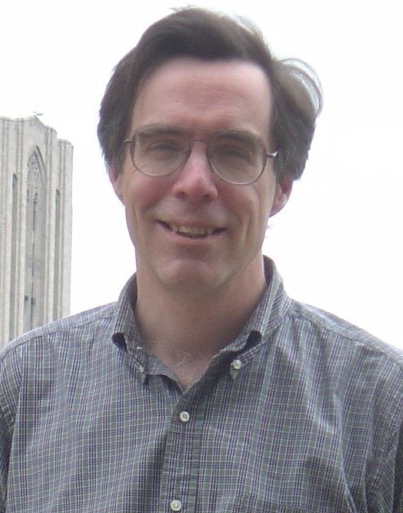 Waldeck, said departmental colleague Sunil K. Saxena, “epitomized the best of the Pittsburgh ethos: down to earth, honest to the core, fair and probably the hardest-working person I have ever met. He was department chair for nine years and during his stint the department grew from strength to strength.
“Dave was amazingly broad minded in his appreciation of science,” Saxena said. “He led the dramatic modernization of our aging building, helped recruit more than a dozen faculty members, and expanded the research profile of chemistry at Pitt. More than the sum of these numbers, he contributed to every aspect of department life — he had inexhaustible energy and there was no matter small enough that he would not be willing to engage with. Personally, to me he was an invaluable mentor and colleague.”
Waldeck was “a towering figure in chemistry,” Saxena recalled. “Soon after his arrival at Pitt in 1985 he became a world leader in the investigation of electron transfer reactions using a breathtakingly diverse range of experimental methodologies (ranging from solution time resolved spectroscopy and electrochemistry to single molecule and spin Hall measurements). The apogee of these efforts came with the discovery that chiral molecules and environments act as filters of the spin of the electron in electron transfer and electron transport processes.”
Chirality is a kind of right-handedness or left-handedness that all living things possess. “This effect, dubbed chirality-induced spin selectivity, which he and Ron Namaan co-discovered, has now become one of the most tantalizing areas of study in the field of physical chemistry.”
Overall, he said, “Dave leaves an enormous legacy, and his efforts will continue to impact the department for more than another generation.”
Waldeck was born in Cincinnati. He earned his Ph.D. in chemistry from the University of Chicago (1983). Following his IBM Postdoctoral Fellowship at the University of California–Berkeley (1983-1985), he joined the Pitt chemistry faculty.
He published more than 270 research papers and three monographs, including the textbook Principles of Physical Chemistry. Among his many honors were the ACS Award in Experimental Physical Chemistry, the ISE Bioelectrochemistry Prize, the Morley Medal, the Pittsburgh Award, the ACS-WCC Award for Encouraging Women in Chemistry (Pittsburgh Section), and the Chancellor’s Distinguished Research Award.
He was elected as a fellow of the American Chemical Society, the American Physical Society and the American Association for the Advancement of Science.
“David was a spectacular colleague and scientist,” said John Cooper, retired chemistry professor and dean of the Dietrich School of Arts & Sciences.
“He was an exceptionally thoughtful person, and a clear thinker both scientifically and as an academic leader. He was extremely effective in leading PINSE, especially through the lockdown” — particularly considering that the center has a large amount of equipment to maintain and is run jointly by the Dietrich School and the Swanson School of Engineering. “He was certainly good at balancing all of that and made it work in both schools.
“He had a major international impact on the field, and opened up new ways of thinking about chemical interactions,” Cooper added. “His graduate students really appreciated his thoughtful, careful guidance in developing them as scientists.”
— Marty Levine
Jim Bogen’s ‘retirement’ was spent at Pitt as a ‘philosophical gadfly’
James “Jim” Bogen, former program director of the Center for the Philosophy of Science who, for two decades as an adjunct professor, collaborated with many colleagues in the Department of History and Philosophy of Science (HPS), led graduate seminars and served on PhD committees, died Dec. 3, 2025.
Bogen joined Pitt’s faculty after his retirement from Pitzer College in 2001, where he had taught since 1967 and was widely published.
“Bogen was a 24/7, equal opportunity philosopher who invited any and all people he encountered to puzzle with him over a stunning variety of philosophical conundrums,” said his former student and Pitt colleague Sandra D. Mitchell, distinguished professor in the department, in a remembrance for the American Philosophical Association.
“Everyone, whether they were a raw undergraduate or seasoned distinguished professor, was heard. His insights were fed by decades-long conversations of the Northern California Aristotle reading group, or over dinners where the quality of the food and wine were just as refined as the arguments.
“Bogen taught us the value of close reading in the history of philosophy,” she continued, as reflected in his books, including “Wittgenstein's Philosophy of Language” (1972), and many articles on epistemology, philosophy of language, aesthetics, ethics and the history and philosophy of science, particularly neuroscience, later in his career.
“Bogen’s attention to the details of scientific practice has been foundational in the development of recent experimentalist and mechanist movements in philosophy of science. His 1988 paper with Jim Woodward, ‘Saving the Phenomena,’ introduced a crucial distinction between data (the idiosyncratic results of specific experiments) and phenomena (the stable, repeatable regularities in nature that theories aim to explain).”
Mitchell added for the University Times: “Jim was both a brilliant philosopher and a truly kind person. He was always ready to enter into a lively conversation, no matter if you were a student or a professor, a philosopher or a poet, a musician or a connoisseur of good food or fine wine. He lived life with joy and never forgot that all of it should be fun.
“Jim often welcomed me (and many others, especially HPS graduate students) into his home in Highland Park: ‘Come over and we’ll talk about your paper.’ Always worth going, too, because he saw what I was trying to say, and pushed me to do it better (even when he disagreed). After the philosophy talk was finished, Jim would welcome me into the kitchen to hand-cut homemade pasta for dinner, after which he would bring out his banjo, his wife Deb would grab her mandolin, he’d hand me a tambourine and the music making would begin.”
Holly Andersen, professor of philosophy at Simon Fraser University, was an HPS student for her MA and PhD, 2002-2009, under Bogen, and often returned to the Center for Philosophy of Science for research. “I couldn't figure out who this guy was,” she recalled. “He wasn't regular faculty, but also knew more philosophy than anyone I had ever met, and had really interesting things to say in discussion of the readings. He also seemed very ready to hassle the professors teaching the course if he disagreed. Listening to Jim be a perfect philosophical gadfly there, and the professors respond and discuss, taught me a ton of useful stuff.”
Anderson said she learned from Bogen and other Pitt faculty “what being a scholar really looks like. We spent hours on very short passages. … This was like illuminating a puzzle from multiple angles — suddenly an obscure passage would really snap into focus and make sense. They tied … Aristotle material through two millennia of discussions that it had influenced, as well, and we could see how these passages had shaped the contemporary discussions we were learning about in other courses. It also just showed how much fun this could be.
“He was a fantastic teacher, and especially fantastic to watch and listen to in back and forth discussions with other historians and philosophers who knew more of the material. … His 'retirement' plan was doing as much good philosophy as he could, in all the ways that great live-action philosophy gets done.
“He knew medieval Aristotle commentary and contemporary neuroscience and all kinds of things in between. He could also tell you who to go read, and then, often enough, tell you funny stories about some of the authors. He had a way of telling stories about the most famous philosophers of the century that made them feel like humans you could talk to, and that made you feel like you were also part of this discussion, not just on the outside looking in. He was great about getting some of us grad students integrated into the academic world.
“He was incredibly generous with time and feedback and encouragement for grad students. He was on my committee and every time I sent him something to read, he would get back to me with pages and pages of detailed comments, and then we would meet over coffee to make sure I understood it all. He had a way of seeing what you were trying to do, and what was standing in the way of doing it better than you'd done the first time, and helping you find a path that you yourself understood to get there.
“He would notice when problematic stuff happened from one grad student to another, for example, and would really defend people in a way that made it all easier. I think for female grad students in my era especially, he kept an eye out for us that made a difference in some of us staying in the field rather than leaving.”
James Bogen was born on Aug. 17, 1935, earning a BA from Pomona College in 1957 and an MA (1959) and PhD (1968) in philosophy from University of California–Berkeley. He studied philosophy at Oxford (1963-1964) and neuroanatomy at the University of Utah (1979). He began his academic career in 1964 as an instructor at Oberlin College, then joined the Pitzer College faculty in 1967 where he was central to creating programs in neuroscience and in science, technology and society.
In 2013 he was elected a fellow of the American Association for the Advancement of Science for his research in the philosophy of science.
— Marty Levine
Jan McMannis helped shape the student side of Pitt atheletes
Janice McMannis, beloved and influential academic advisor for Pitt’s sports teams for 20 years in the 1990s and early 2000s, died December 9, 2025, at 78.
“Jan gave her all to the students she worked with, wanting the very best for them and working very tirelessly to support them,” said Mike Farabaugh, director of Academic Support Services. “Her work with individual students and the teams she worked with, specifically football and gymnastics, had profound impacts on their lives after they graduated. I’ve heard from many former student-athletes that they remember life lessons of integrity and the value of education in their lives from Jan. The writing lab in the Willis Center for Academic Support Services for Student-Athletes was dedicated in her name when she retired, and her plaque in the center reminds us of her integrity and commitment to service.”
“Anytime you talked to one of the players, Jan’s name came up,” remembered Chris LaSala, associate athletic director of football administration, who came to Pitt from Boston College in 1997. “Every person: ‘Jan got after me. Jan made sure I got it right. Jan took care of me.’ It was all different forms of love and support.”
McMannis, he said, became a resource for more than academic tutoring for some of her students: “When you’re young and you’re in a new place, you’re searching for people you can trust,” said LaSala of Pitt athletes. “Once you gain the trust of a young person, then they’re going to go to you for everything. And that’s what she was. She could deal with anybody.
“Some of the kids she worked with weren’t completely ready for college,” he added. And if you are a player who becomes prominent, “a lot of people let you get away with stuff and treat you different.” Not McMannis, he said.
“She had a unique talent to be flexible and rigid at the same time,” he said. “Everybody learns different and she was a teacher at heart: ‘You’re going to be good.’ She was going to get you to learn. Some kids might not even realize they were getting there. That was her talent. There was no excuse she hadn’t heard; she called their bluff and got them in there and got them working. That made these kids better adults, without them even realizing it.”
McMannis hired Robin Clarke as a writing tutor in 1998, and Clarke later joined Pitt’s English department as a faculty member. “She was the hardest working person you could imagine,” Clarke said, recalling the long hours McMannis put in. “She would be the last one there. She was just unbelievably dedicated.
“She was very, very smart and she loved analysis. Film was her first love.” Sometimes her students would choose a film course, thinking it might be easier than a literature course, and find that film theory was even more difficult to master, Clarke recalled: “It was always about them developing literacy — film literacy or writing literacy. It wasn’t about just getting them a passable grade. She was a force pushing against that. It was a real boost to their self-esteem.”
McMannis had a movie poster next to the table where she and all the tutors worked with students. It was a poster for “Aliens,” showing Sigourney Weaver holding a child in one arm and a giant weapon in the other. To Clarke, this represented McMannis’ “toughness: ‘I’m not going to let you fail.’ To be a tutor with her, she just lifted people up. She made sure you were doing your best... and it really shaped me and other tutors. She inspired people to be better than they knew they could be, whether it was the tutors or the students. She turned it into a place of really dynamic activity.”
Clarke showed photos of pages from the retirement book presented to McMannis by students and colleagues. “I really don’t know if you actually realize the significant role that you have played in the lives of so many students,” one Pitt athlete wrote. “To me, you were my home away from home; you provided a tender touch of care and concern that went far beyond your call of duty.” Others wrote: “Without you, where would I be?” and “I wouldn’t be where I am today without your guidance.”
One of those students was Penny Semaia, a football player (1999-2003) and then a senior associate athletic director for student life here, working beside McMannis; today he is vice president of stadium relations for the Buffalo Bills.
“She was one of the best academic mentors I’ve had in my collegiate career,” Semaia said. “Many of us, coming into the University, we may not have had the right academic background. She cared for us in ways some of us may never have experienced in life. She cared for us in a way that challenged us.”
He recalls her not only helping him during his final Pitt course, on African dance, but also her attending the class’s final performance and joining students on stage to dance herself.
“I’ve become a public speaker,” he said. “I’m also published now. If it wasn’t for the love and care of Jan and Jan bringing in great tutors like Robin …”
McMannis’ film work — including supporting the films of her husband, local documentarian Tony Buba — also involved joining history faculty member Marcus Rediker’s team filming “Ghosts of Amistad: In the Footsteps of the Rebels” — a Pitt-sponsored film that searches in Sierra Leone for local memories of the seizure of the slave schooner Amistad there in 1839, and for lost ruins of the country’s slave-trading site.
Rediker first got to know McMannis when he was helping with basketball recruiting here. “I got to know her as a really committed academic advisor to students,” he said. “Jan was a person of extreme honesty — especially if she thought somebody was not living up to expectations. She just gave heart and soul to the University of Pittsburgh.”
For “Ghosts of Amistad,” she played a crucial role “for the conceptualization of it and the actual travel arrangements,” Rediker said. “Jan was such an important part of that trip. She had very sharp observations to make about what we were doing and how we should do it,” particularly about the ethical behavior needed among his team, who were coming in from the outside — from a rich country. She also had a crucial role in the film’s editing. “I just think of her as a very intelligent and compassionate commentator on what we encountered in life.
“Especially women and children, as we entered the villages, these people had never seen an older white woman. She handled the situation with such grace and such warmth that everybody loved her. She was a great ambassador for the University.”
Janice McMannis was born on June 29, 1947, in Los Angeles, and grew up in Arcadia, Calif. She earned a master’s degree in English from Western Washington University and a reading specialist certificate from Pitt. In addition to her University career, she worked as an editorial consultant for Wide Angle Magazine and film programmer at Pittsburgh Filmmakers
She also worked with students in prisons, on tribal lands and in public libraries, and was very active in the Braddock community, where she was president of the board of directors of the successor library to Braddock’s Carnegie Library. She also worked on campaigns to try to save Braddock Hospital and organized with North Braddock Residents for our Future against local fracking.
In addition to her husband Tony Buba, she is survived by her sister Marilyn (Evans) Kohler, brother-in-law Stephen Kohler, nephew Nathan Kohler and his wife Heather Kohler.
— Marty Levine
Atchison made key discovery about adeno-associated viruses
Robert Wayne Atchison, who retired after more than 30 years as emeritus professor of infectious diseases and microbiology in the Graduate School of Public Health in 1993 — after gaining international recognition for discovering adenovirus-associated viruses (AAVs) that needed another virus to replicate but could be genetically altered to deliver treatments for several diseases — died on Jan. 17, 2026, at 95.
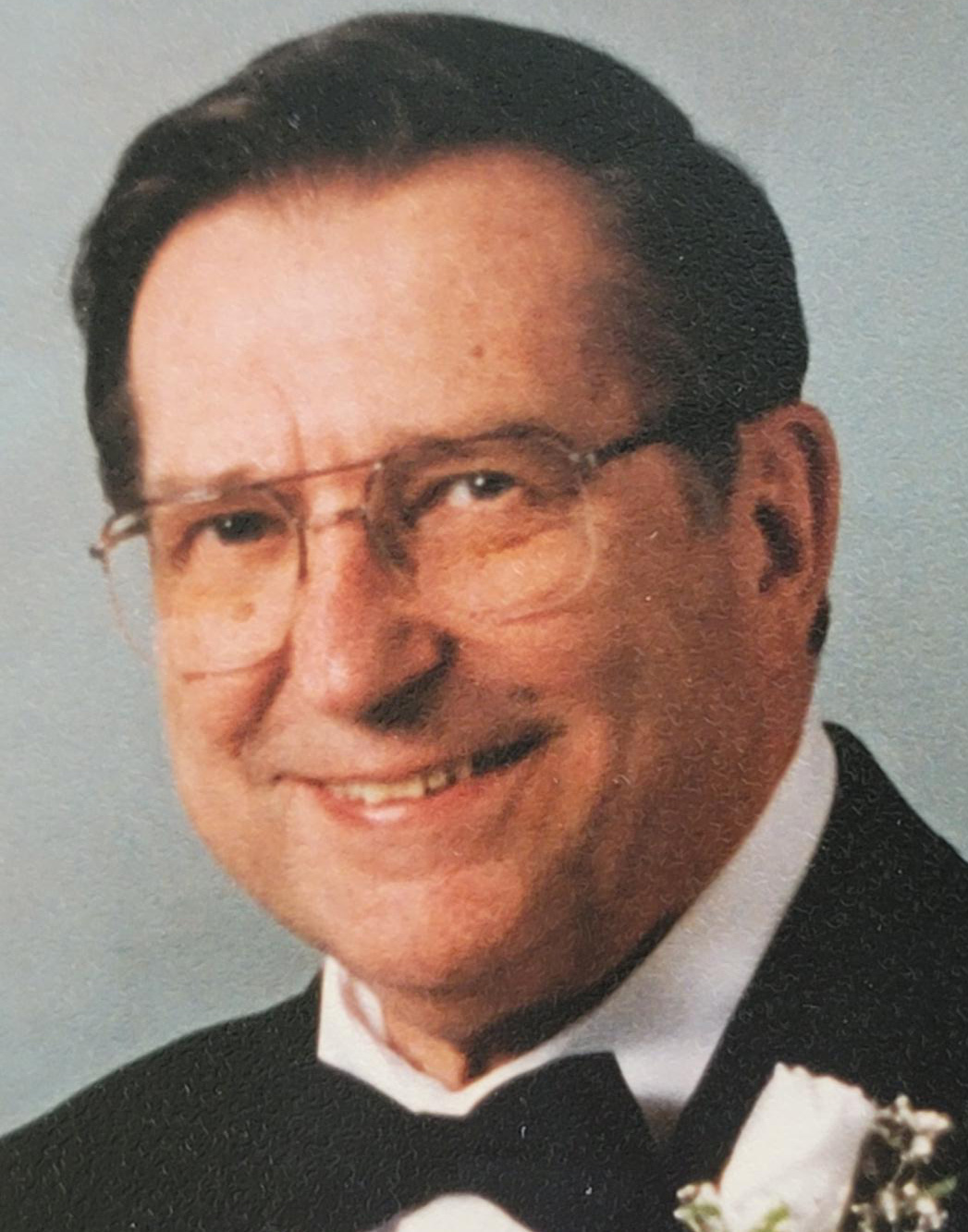 Charles R. Rinaldo, now a Department of Medicine faculty member in infectious diseases at the School of Medicine, met Atchison in 1978 when both were Public Health faculty.
“He stood out as a world-class electron microscopist (EM) and an excellent teacher,” Rinaldo said. “Most important was his discovery, with his department Chairman William Hammon and research associate Bruce Casto in 1965, of adeno-associated viruses. Indeed, I consider this to be one of the most important scientific discoveries at the University of Pittsburgh and its School of Public Health. I recall Bob explaining to me how ‘Chance favors the prepared mind’ as he and his two colleagues’ publication had ‘scooped’ an outstanding virologist who was also studying adenoviruses and had found evidence of AAVs.
“I fondly remember Bob’s warmth for his family,” Rinaldo also recalled, “as he would open his office and lab to his young daughters while he was working, which was not commonly done.”
Robert Wayne “Bob” Atchison was born on Sept. 19, 1930, in Pratt, Kansas. He earned both his bachelor of arts (1952) and master of arts (1955) degrees in bacteriology from the University of Kansas–Lawrence. He received his PhD from the same institution in virology and anatomy in 1960. He enlisted in the Army National Guard in 1949, rising to the rank of major in 1969.
In 1960, Atchison joined the Pitt faculty as a virologist in a large cancer research program, from which he eventually set up his own research laboratories. Just five years into his career here, he and his colleagues published in Science the first biochemical and biological characterizations of an AAV. These viruses were uniquely unable to replicate without an accompanying adenovirus — the first of eight such viruses eventually found.
His work demonstrated that a great number of people already harbored such viruses, which later were shown to inhibit certain cancer-causing adenoviruses in animals. This AAV, and some AAVs discovered by others, were capable of being genetically altered to deliver treatments for blindness and sickle cell anemia, among other benefits. Atchison authored or co-authored more than 71 publications on viral-induced cancers and on a variety of human viruses, including a book chapter and an atlas of virus particles.
At Pitt, he taught graduate courses in virology, immunology and laboratory practices. He was thesis advisor and mentor to dozens of graduate students in master’s or doctoral programs, the latter of whom worked in his laboratories in virus and cell culture, histology and electron microscopy in the UPMC Children’s Hospital of Pittsburgh Department of Pediatric Pathology, where he was also an electron microscopist.
He belonged to the American Society for Microbiology (as vice president and president of its local branch), the American Society of Immunology and the British Societies of General Virology and Microbiology. At Pitt, he was chair of his school’s Budget Policy and Library Committees, a member of the University’s Budget Policy Committee, and chair of the Senate’s Elections Committee.
After retirement, he conducted research at Magee-Womens Hospital’s Research Institute for two years, and then conducted a molecular research and development laboratory at UPMC Children’s, where he also worked as a consultant in the pathology department until 2002.
He is survived by his wife of more than 73 years, Alice; daughters Cynthia J. Atchison and Cheryl L. Westine (Sven); son Brian W. Atchison (Elaina); grandchildren Tim Westine, Nick Westine, Allison Atchison, Tyler Atchison and Emily Atchison; and many nieces and nephews.
Memorial gifts are suggested to the American Cancer Society online or at P.O. Box 6704, Hagerstown MD 21741.
— Marty Levine
Sanford Asher was a pillar in analytical and physical chemistry
Sanford Abraham Asher, a distinguished professor emeritus of chemistry widely known and honored for pioneering ultraviolet resonance Raman spectroscopy, died Jan. 16, 2026.
Asher joined Pitt in 1980.
 “His research program,” recalled chemistry faculty member Sunil K. Saxena, “rapidly became a pillar of our strengths in analytical and physical chemistry. He started a program in the resonance Raman of small molecules which ultimately led to the pioneering development of UV resonance Raman. His group built the conceptual basis for the methodology, moving from strength to strength, from fundamental methodological developments to the analysis of amino acids to full protein structures. Over the last couple of decades this trajectory led to methodology for the determination of amyloid structure and now into the examination of the soil on Mars.”
UV resonance Raman spectroscopy uses lasers to study the movements and structures of proteins in aqueous solutions, since proteins are the building blocks of life on Earth. He also developed UV laser light sources to detect explosives for the military, and to search for signs of life on Mars for NASA. In addition, he studied optical growth conditions for commercial materials and crystalline colloidal assemblies for optical sensing, switching, and displays, under multiple grants from the National Institutes of Health, National Science Foundation, Office of Naval Research, Department of Defense, NASA and its Jet Propulsion Laboratories and many other governmental and commercial concerns.
“While his work on spectroscopy would be a successful career by itself,” Saxena said, “Sandy was equally successful in the field of hydrogels as sensors which led to 30 patents and technology transfers. Over his career, Sandy published more than 330 papers and trained at least 47 PhD students and 65 postdoctoral fellows and visiting scientists, most of whom have gone on to distinguished careers in industry and academia.”
Asher recruited Saxena to the department and was his mentor at the beginning, he added: “In all honesty, Sandy was not a mentor in the classical sense of the word, but he was the mentor I needed. I recall asking him to read my first proposal. Sandy managed to read two paragraphs,” marking one with “AV” for “active voice” and the second with “PV” for “passive voice.” “‘People make quick decisions,’ he said, ‘and PV does not help.’ That was the lesson I needed.
“I remember being so proud that I had managed to construct and submit a legit full proposal. Sandy saw me with that proposal and said: ‘It will get rejected in six months and you are allowed to be disappointed for only one nanosecond.’ This was probably the best advice that I, as an assistant professor could have received. This became my mantra and the mantra that was imparted to all my students. Last year, I sent out my son to college with this exact advice.
“For Sandy, these were not empty words. He lived a life of intense curiosity. Amidst his many successes he faced occasional disappointments, and he weathered them with equanimity. In many ways he was the sort of person that a university is made for — a deeply committed scholar who examined all evidence and questioned himself before forming his opinion. He shepherded the department to greater heights through his scholarship but even more so by willingly and incessantly taking on the lonely role as the holder of ‘standards.’ He was an invaluable critic in the evaluation of candidates for appointment and tenure. The department is clearly in his debt for always being willing to stand up and speak about what is right for the institution.”
Asher was also a mentor to departmental faculty colleague Haitao Liu, who arrived at Pitt in 2010. “His impact on people's development has been phenomenal,” Liu said. “He was very critical to a lot of departmental efforts and he had very high expectations of” colleagues’ work, while the department, its students and staff have benefited from the many grants Asher brought in. “His scientific stature has contributed very, very importantly to the status and profile of our department.”
Asher was born Sane Abram Ascher in 1947 in a displaced persons camp to parents who were Holocaust survivors. He earned his bachelor of arts degree in chemistry from the University of Missouri in 1971 and his PhD in chemistry from the University of California–Berkeley in 1977, completing a postdoctoral fellowship at Harvard. He received dozens of honors in his field and spoke at more than 350 seminars around the world.
He is survived by his wife, Nancy Day (who is also a Pitt faculty member); children Rachel and David (Karen); grandchildren Liv and Nova Silver, Gregory Asher (Michaun "Bunny" Asher) and Benjamin Asher, and Zachary and Dylan Lescisin, children of his late daughter, Dianne; brother Rabbi Michael (Robin) Asher; and nephews Ash (Erica) and Phillip (Kristin).
— Marty Levine
Neufeld helped create environmental engineering program
Ronald Neufeld, who was instrumental in forming Pitt’s accredited environmental engineering program during his 40-year faculty career (1973-2013) in the Swanson School of Engineering, died Dec. 5, 2025.
 Leonard Casson, Neufeld’s environmental engineering faculty colleague since 1987 and now associate professor emeritus, recalled that the department was only granting master’s degrees — not yet PhDs — when they began to build the program. Neufeld, he said, “helped make the department what it is today, and it was the foundation for when we hired” more faculty in environmental engineering, to expand its offerings.
Neufeld became a board-certified environmental engineer through the American Academy of Environmental Engineers and Scientists, and encouraged Casson to do the same. Neufeld also became a commissioner on the accreditation board for engineering and technology, which provides accreditation for engineering programs around the world, which signaled wide recognition of his accomplishments.
“Ron was very highly thought of both in Pittsburgh and nationally,” Casson said. “He was pivotal to our program. Ron was a big part of changing that foundation in the eighties with me,” bringing the environmental engineering program from a subdivision of civil engineering to an accredited, degree-granting program.
Neufeld’s research was very broad, Casson said: “He had to be a jack of all trades,” and “between the two of us we had to cover lots of areas,” including, in Neufeld’s case, working to bridge the gap between engineering and public health in the study of everything from wastewater effluents and disinfection processes to air pollution.
As a teacher, Casson said, “Ron’s impact is the people who got their master’s and PhD’s from here. He always wanted the best for the department and everybody.”
Indeed, said former department chair Radisav Vidic — who joined Pitt in 1992, when Neufeld was in the middle of his career — as a teacher, Neufeld “had a lot of practical experience and everything he did reflected his deep understanding of the practice: Why does this matter? How are you going to deal with this in real life? He was not one of those guys doing science for the sake of science. He was a true engineer.”
This was reflected in Neufeld’s research, Vidic said, including his work on abandoned mine drainage across the years for the state Department of Transportation’s remediation projects. “He was always looking with that view of how do we make a difference and solve a lot of problems.”
Neufeld studied how fly ash might be made into lightweight concrete — Will it work? Will it pollute more or less? — and researched combined-sewer overflow treatment options for the Allegheny County Sanitary Authority. “It was very applied and with an eye toward the real applications,” Vidic said.
“He was a very experienced guy and very well thought out person,” he added, explaining: “He won’t give you an answer right away, but he will come back to you” with a suggestion that he has reasoned through. “He was very considerate, and everything he said, he had a reason.”
Neufeld completed his undergraduate education at Cooper Union in New York City, then earned his master’s and PhD degrees at Northwestern. In 2012, he was named a fellow of the Water Environment Federation for his career achievements and impact on his field. He retired as professor emeritus of civil & environmental engineering.
He is survived by wife Toby Heringer Neufeld; children Jen Neufeld Cohen, Steven Neufeld (Gayle Koppelman Neufeld) and Todd Neufeld (Sheryl Kamholz Neufeld); grandchildren Ethan Neufeld, Shira Neufeld, Zoe Neufeld, Maya Neufeld, Amitai Cohen and Tamar Cohen; and sister Susan Neufeld Fuchs (Howard Fuchs).
— Marty Levine
Roger Benjamin served as Pitt provost from 1983-86
Roger Benjamin, Pitt’s provost in the mid-1980s, whose later career was dedicated to education assessment and redesign, has died at 83.
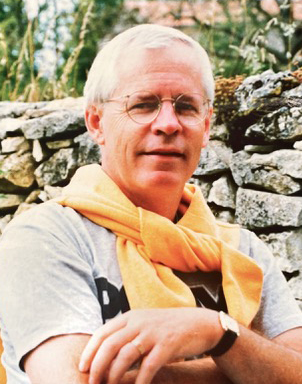 “Roger was distinctive to me as a provost particularly because, as an effective administrator, he took an active and direct interest in the individual research of the faculty,” recalled History of Art and Architecture faculty member Katheryn Linduff, who was chair of the department when Benjamin was provost. She remembered him as an “intellectual partner and friend. He was in that sense devoted to getting to know the intellectual shape of Pitt and of individuals in all areas of expertise.
“I was of course quite aware of the research of all members of my group, including his wife, Alison Stones, but as well of those of us who participated in Asian Studies, in which Roger and I were also trained. His research interests were focused in a discipline distinct from mine and our Art Historical team, but he understood well the process of research and its important contribution to the education of our students and to a broader humanistic understanding of human behavior at the most basic levels.
“It was enormously valuable to have a person in his position who was enormously curious about our work and really understood and wanted to support our endeavors. He was aimed at creating and supporting an inclusive atmosphere for faculty that was both responsible and responsive
Born in Lansing, Mich., on April 18, 1942, Benjamin earned his bachelor of arts degree from Michigan State in political science and Chinese, followed by a PhD. He began his academic career in 1968 in the University of Minnesota’s political science department. He received Fulbright senior fellowships to Japan (1969-70), Taiwan (1971-72) and Korea (1973).
Benjamin was the author or co-author of more than 80 articles and books before becoming provost, first at Minnesota and then at Pitt (1983-86). In 1990, he moved to the education department of the RAND Corporation and was part of the Commission on National Investment in Higher Education, making policy recommendations.
He was president of the Council for Aid to Education (2005-2019), creating the Collegiate Learning Assessment (CLA), which measures students’ higher-order skills (critical thinking, problem-solving, effective written communication), aiding employers in better pinpointing graduates to hire. He also served as chair of the board of the National Hispanic Scholarship Fund (2002-2007) and led projects to redesign universities from Chile to Qatar.
He is survived by his wife of 52 years, Margaret Alison Benjamin (née Stones), children Victoria, Oliver, Elizabeth and Christopher, and seven grandchildren.
— Marty Levine
Woo built the Chinese collection for Pitt’s East Asian Library
Lisa Chang-Cheng Woo, East Asian Library faculty librarian in the 1980s and 1990s – who was praised by Pitt’s China Council and Japan Council as a bibliographer of “exemplary” effort, “skill, energy and devotion”— died on Nov. 19, 2025, at 96.
In those decades, she developed the Chinese collection of the East Asian Library, providing “excellent support for faculty, staff and graduate students who regularly use Chinese- and Japanese-language materials,” the council leaders wrote jointly about her. “She closely monitors the research interests of our China studies community and uses her knowledge of ongoing research to guide the work of collection development,” aiding faculty with research queries while she “participates regularly in the intellectual life of our China studies community.
“She not only attends lectures and seminars, but also has compiled a substantial list of scholarly publications that reflect her own intellectual development and commitment to the field of China studies,” they added.
Born Lisa Chang-Cheng Jen on Oct. 15, 1929, in Changsha, Hunan, China, Woo earned her BA (1952) and MA (1956) in history at the National Taiwan University on a China-U.S. Foundation scholarship. She completed her master of library science degree from Pitt’s Graduate School of Library and Information Science in 1973, after which she joined the University as a bibliographer for Asian Studies in June 1974, becoming Chinese bibliographer/cataloger in 1981.
She served the University Library System on nearly a dozen committees over the years and published scholarly articles on Chinese history and library science. She also conducted professional seminars at libraries in Shanghai, Xian and Hunan and was editor of the Digest of Chinese Studies for the American Association for Chinese Studies beginning in 1989, chairing a panel at its annual meeting in 1990. She retired in 1994.
In writing to Woo’s supervisor, Thomas C. Kuo, curator of East Asian Library, another Pitt colleague, Cho-yun Hsú, praised Woo’s “valuable services in checking the sources in Chinese works,” and in meeting Hsú at the Library of Congress of Library, where she “demonstrated solid knowledge of rare-book editions of Chinese books … Her works testify convincingly that Lisa has made herself a record of professional excellence.”
Lisa Woo is survived by her daughter, Rhoda, and her children Alex and Lucy, and by her son Andy’s widow Gina and their children Miles and Julian. Also surviving are her nephews and nieces and their families: Maria Chu; Y.T. Chu and I-Ping Chu; Xiao Nian Jen, Xiao Hwei Jen, Xiao Ling Jen and Yung An Jen; Yung Ming Jen; Bai-Bai Chen Goldberg; Ching-ching Chen, Ming-ming Chen and Chu-chu Chen.
She was predeceased by her husband Tse-Chien (“TC”) Woo, professor emeritus in mechanical engineering in the Swanson School of Engineering, in 2016, whose obituary is here.
— Marty Levine
Schumann led medical anatomy courses for 22 years
John “Jack” Schumann was already a tenure-track professor of biology at Gannon University when his department chair assigned him to teach human anatomy.
At first, he kept just one chapter ahead of his students. As he grew to love the work — his own PhD was in morphology — he began post-graduate studies at the University of Pittsburgh, starting with gross anatomy, taught by Sandra Murray, a Pitt professor of cell biology. He would become the School of Medicine’s director of medical anatomy from 1998–2020. He also taught head and neck anatomy at the School of Dental Medicine.
Schumann died Oct. 9, 2025, at 73.
During his time on Pitt’s faculty, Schumann won 12 Excellence in Education Awards. He also received the Kenneth E. Schuit Master Educator Award, the Sheldon Adler Award for Innovation in Medical Education and the Golden Apple Award. In 2017, he was recognized with the Chancellor’s Distinguished Teaching Award.
“He was a teacher’s teacher,” Murray said.
Schumann prized his work with students, said his widow, linguist Maria Pimentel-Schumann. He spoke only English — she speaks French, Italian and Spanish, as well — yet he coached his first-year medical students to mastery of the 6,000 terms that comprise the vocabulary of the human body.
“He loved his students, just loved his work — that was his passion,” she said. “He wanted to make sure that all of his students passed, and he would work with them personally.”
Longtime colleague Mark Mooney, now a professor emeritus of oral and craniofacial sciences in the School of Dental Medicine, said anatomy can be an overwhelming rite of passage and credits Schumann with offering an antidote. “Jack kept them motivated, tried to make it fun learning.”
For years, the pair played a theme song as students arrived for each exam — for instance, the Doors’ “The End” (for the final) and Creedence Clearwater Revival’s version of “I Heard it Through the Grapevine” (to keep things upbeat). For the extremities exam, Schumann included an outsized bone from a gorilla’s hand — not for credit, just for fun. “Most of them got it right,” Mooney said. “Jack liked to challenge them with stuff they hadn’t seen.”
Schumann also made sure his students saw as much as possible, in three dimensions and in real time. He collaborated closely with the teams responsible for renovations to the Scaife Hall anatomy lab and campaigned for state-of-the-art technology to broadcast dissections of a single cadaver for students throughout the lab to see in high fidelity. He also created a video library of his own dissections for use as student study tools.
“We had a love of anatomy, an appreciation of the human body, amazement at how it all works,” Mooney said. “We liked to pass that amazement on to students.”
Memorial contributions can be made to the UPMC Hillman Cancer Center to benefit cancer research at hillman.upmc.com/difference/supporting/make-a-gift or UPMC Hillman Cancer Center, c/o UPMC Cancer Pavilion, Suite 1B, 5150 Center Ave., Pittsburgh, PA 15232.
— Sharon Tregaskis, Pitt Med Magazine
College in High School program’s Lesa Skukan put people first
Lesa Skukan, assistant director for academics in the College in High School (CHS) program and its longest-tenured staff member (since 2002), has died.
The program, which offers Pitt credits to high school students aiming for college at more than 150 high schools, is directed by Michael Giazzoni, who joined in 2012.
“It was my first step into the complex field of dual credit, and she helped me get up to speed quickly,” he said of Skukan. “Lesa also mentored several of our other current staff as they began and developed into their jobs. Lesa’s personal empathy and deep institutional knowledge helped us develop a strong team that — although she would never brag about it — was able to responsibly double our enrollment and earn our first-ever national accreditation.
“Lesa always reminded us to stay focused,” he recalled, “by putting people first and centered on our partners: our students, teachers, Pitt faculty and each other. We hope to honor her memory by continuing that focus.”
Matt Solter, CHS program administrator, worked with Skukan for the past six years. “Lesa was a consummate colleague and professional,” he said. “Not only did she educate me on all my core responsibilities as my supervisor, but she also showed me how to interact with students, parents, teachers and other colleagues with grace, compassion and understanding.
“She had such an incredibly high capacity for empathy,” he added, “and would never hesitate to help anyone in need at the drop of a hat. I always enjoyed discussing our shared love of cats whenever one of them would grace our screens during a meeting. I feel truly privileged to have known her and been able to work with and learn from her.”
“Lesa was our high school liaison,” said Christina Frank, retired chemistry teacher at Montour High School — part of a chemistry teacher group in CHS’s Northern Regional Schools group, which includes some of the high schools involved for the entirety of the program’s 45 years. Students in the chemistry program do lab work five times a year, running the same labs as Pitt students.
“She was responsible for keeping us in the loop of all things CHS,” Frank said. “On lab days, while the students attended the labs, the teachers met in a room with Lesa. She provided refreshments for us, she kept us abreast of any news that we needed to know, but most of all, she was just an overall great support for the teachers involved in the program. She was our go-to person.
“She was a great addition to our all-women group on lab days,” Frank added. “We will always remember her sincere and quiet demeanor and her beautiful smile.”
— Marty Levine
Pitt Police’s Sgt. Welsch’s legacy of compassion and training will be long felt
Twelve-year Pitt Police Officer Charles Welsch, a sergeant since 2016 who was known for mentoring new officers and assisting in the field training officer program, died Oct. 11, 2025, at 49.
“I believe Charlie’s legacy,” said Chief Holly Lamb, in a remembrance for the University Times, “is that of always doing the work at hand, happily and competently, and never putting himself above the team or the overall mission. His knowledge, compassion and good-hearted nature made him a great police officer, supervisor, teacher and co-worker. The person he was behind the badge made him a friend, a deeply valued member of our team …”
Lamb knew Welsch and his work through his entire Pitt Police career. “Charlie served as a shift sergeant, overseeing the work done by patrol officers under his supervision,” she said. “In addition to that, he served as our CPR and first aid instructor, regularly teaching and recertifying our members in life-saving measures. Sergeant Welsch was also involved with our department’s accreditation efforts in assisting with policy revisions.
“In all of his duties, what always impressed me about Charlie was his quiet confidence and his signature friendly demeanor. He always had a smile on his face and a happy, approachable personality. One thing that he was very passionate about was the work he did with the Special Olympics Law Enforcement Torch Run. Charlie was very involved with that group, and the wonderful work they do.”
Deputy Chief Andrew Redman also worked with Welsch since his start at Pitt in 2013, on shifts and patrolling together, as well as training fellow officers. “Chuck was very detail oriented,” Redman recalled. “He would drill down into subjects, and he loved learning all about things. We complimented each other’s skills and really enjoyed working together … through good situations and some pretty bad ones too.
Redman said some of his favorite memories are simply the times the two of them talked in his office: “He’d usually stop up and see me. We’d talk about a huge range of topics. Sometimes we agreed, sometimes we didn’t, but we always could just talk about whatever.”
One of the things Welsch created was a new leadership library for the department, aimed at aiding officers in their professional education and new skill development. “It was his idea and was an example of how he always looked for knowledge and improvement,” Redman said. He also sees the continuing impact of the medical skills Welsch taught officers and others in the University community: “The lives and limbs he’s saved, and will continue to save, because of what he taught us can’t be quantified. Every time a tourniquet, an AED, or CPR saves someone’s life, or a simple bandage, Chuck’s impact is felt.”
Another long-time colleague on the force, Detective Jason Bush of the Investigations Unit, worked with Welsch for many years prior to Pitt, beginning when Bush was a part-time officer for a Westmoreland County town where Welsch was a paramedic. Bush recalls encouraging him to apply to the University Police Department.
“Although Sgt. Welsch and I worked different shifts,” Bush said, “something I always looked forward to was when our CPR/first aid certifications were up and we had to receive instruction from him. His classes were always informative, and he made it fun to learn through his humor and vast knowledge of the material. His loss will be felt when the time comes for our department to renew our certification of these skills.
“Sgt. Welsch was known for his love of protecting the University community by monitoring vehicle traffic for safety and vehicle code violations,” Bush added. “With the amount of foot traffic on campus, his presence on the street will be missed and hopefully will be picked up by those officers that he was able to mentor by being involved with the field officer training program.”
He remembers Welsch as “a good man, a great friend, and an exemplary police officer. Throughout his battle with cancer and related health problems he maintained a positive attitude and continued to contribute to the police department … It is still hard to believe that he is gone, but his legacy and memory will be carried on by the men and women that he impacted over the course of his career here at Pitt as well as his other endeavors in emergency medicine.”
Charles Alfred Welsch was born on Sept. 7, 1976, and graduated from the School of Health and Rehabilitation Sciences with an emergency medicine degree in 2011.
In addition to his position with Pitt’s police department, he also served as a part-time police officer in Ligonier for 16 years, deputy chief of the Irwin EMS, president of the Special Medical Response Team in Blairsville and a CPR instructor for many area organizations.
He is survived by his wife Sharon R. Gindlesperger Welsch; brother David Welsch (Jennifer); parents-in-law Ralph and Denise Gindlesperger; and in-laws Shalyn Gindlesperger (Danielle) and their children Nora and Isaiah; Christa Curtis (Brian) and their children Abigail and Wynn; and Zebulon Holliday (Katie) and their children Peyton, Carson and Jackson.
Memorial gifts are suggested to Helping Hearts and Healing Tails Animal Rescue, PO Box 42, Stahlstown, PA 15687.
— Marty Levine