
Pitt Police’s Sgt. Welsch’s legacy of compassion and training will be long felt
Twelve-year Pitt Police Officer Charles Welsch, a sergeant since 2016 who was known for mentoring new officers and assisting in the field training officer program, died Oct. 11, 2025, at 49.
“I believe Charlie’s legacy,” said Chief Holly Lamb, in a remembrance for the University Times, “is that of always doing the work at hand, happily and competently, and never putting himself above the team or the overall mission. His knowledge, compassion and good-hearted nature made him a great police officer, supervisor, teacher and co-worker. The person he was behind the badge made him a friend, a deeply valued member of our team …”
Lamb knew Welsch and his work through his entire Pitt Police career. “Charlie served as a shift sergeant, overseeing the work done by patrol officers under his supervision,” she said. “In addition to that, he served as our CPR and first aid instructor, regularly teaching and recertifying our members in life-saving measures. Sergeant Welsch was also involved with our department’s accreditation efforts in assisting with policy revisions.
“In all of his duties, what always impressed me about Charlie was his quiet confidence and his signature friendly demeanor. He always had a smile on his face and a happy, approachable personality. One thing that he was very passionate about was the work he did with the Special Olympics Law Enforcement Torch Run. Charlie was very involved with that group, and the wonderful work they do.”
Deputy Chief Andrew Redman also worked with Welsch since his start at Pitt in 2013, on shifts and patrolling together, as well as training fellow officers. “Chuck was very detail oriented,” Redman recalled. “He would drill down into subjects, and he loved learning all about things. We complimented each other’s skills and really enjoyed working together … through good situations and some pretty bad ones too.
Redman said some of his favorite memories are simply the times the two of them talked in his office: “He’d usually stop up and see me. We’d talk about a huge range of topics. Sometimes we agreed, sometimes we didn’t, but we always could just talk about whatever.”
One of the things Welsch created was a new leadership library for the department, aimed at aiding officers in their professional education and new skill development. “It was his idea and was an example of how he always looked for knowledge and improvement,” Redman said. He also sees the continuing impact of the medical skills Welsch taught officers and others in the University community: “The lives and limbs he’s saved, and will continue to save, because of what he taught us can’t be quantified. Every time a tourniquet, an AED, or CPR saves someone’s life, or a simple bandage, Chuck’s impact is felt.”
Another long-time colleague on the force, Detective Jason Bush of the Investigations Unit, worked with Welsch for many years prior to Pitt, beginning when Bush was a part-time officer for a Westmoreland County town where Welsch was a paramedic. Bush recalls encouraging him to apply to the University Police Department.
“Although Sgt. Welsch and I worked different shifts,” Bush said, “something I always looked forward to was when our CPR/first aid certifications were up and we had to receive instruction from him. His classes were always informative, and he made it fun to learn through his humor and vast knowledge of the material. His loss will be felt when the time comes for our department to renew our certification of these skills.
“Sgt. Welsch was known for his love of protecting the University community by monitoring vehicle traffic for safety and vehicle code violations,” Bush added. “With the amount of foot traffic on campus, his presence on the street will be missed and hopefully will be picked up by those officers that he was able to mentor by being involved with the field officer training program.”
He remembers Welsch as “a good man, a great friend, and an exemplary police officer. Throughout his battle with cancer and related health problems he maintained a positive attitude and continued to contribute to the police department … It is still hard to believe that he is gone, but his legacy and memory will be carried on by the men and women that he impacted over the course of his career here at Pitt as well as his other endeavors in emergency medicine.”
Charles Alfred Welsch was born on Sept. 7, 1976, and graduated from the School of Health and Rehabilitation Sciences with an emergency medicine degree in 2011.
In addition to his position with Pitt’s police department, he also served as a part-time police officer in Ligonier for 16 years, deputy chief of the Irwin EMS, president of the Special Medical Response Team in Blairsville and a CPR instructor for many area organizations.
He is survived by his wife Sharon R. Gindlesperger Welsch; brother David Welsch (Jennifer); parents-in-law Ralph and Denise Gindlesperger; and in-laws Shalyn Gindlesperger (Danielle) and their children Nora and Isaiah; Christa Curtis (Brian) and their children Abigail and Wynn; and Zebulon Holliday (Katie) and their children Peyton, Carson and Jackson.
Memorial gifts are suggested to Helping Hearts and Healing Tails Animal Rescue, PO Box 42, Stahlstown, PA 15687.
— Marty Levine
Bioengineering’s Stephen Smith was a pillar of department
Stephen Smith, a 21-year laboratory research associate in the Center for Biotechnology and Bioengineering, died Aug. 28, 2025, at 60.
His contribution to the work of a Swanson School of Engineering lab was crucial, said bioengineering department Chair Sanjeev Shroff, in whose laboratory Smith worked.
Most often, a postdoctoral fellow, such as Smith when he started, would move on to a faculty career after several years, or take a job in industry, Shroff noted. Smith chose his own path: He “was a unique kind of person. Steve really loved science, asking questions, solving problems, figuring out how things work. But he really didn’t want to be part of the academic rat race ... chasing after grants. He just wanted to do science. He would have had a solid (academic) career at the highest level. But he really was so focused on just doing science.
“For me it was a godsend to have someone like Steve” who oversaw other PhD students and cardiology fellows alongside his central research work. “We understood each other well and he could take care of much day-to-day minutia.” He recalled their work as “symbiotic,” with Smith “low key, very quiet but always having insightful discussions, and I could always rely on him.”
Smith published many papers, some with Shroff, and was co-author of a particularly significant one, Shroff said. Shroff’s lab studies the protein that regulates cardiac muscle contractions. This main protein can be modified chemically to do more or less work or behave differently, as a treatment for cardiac diseases. This has historically been done by phosphorylation. Smith — whose PhD was in biology — had long been researching this molecular mechanism by which the heart muscle generates force to do its job.
“We discovered a completely new mechanism and Steve is a co-author on that paper,” Shroff said. That process is acetylation-mediated regulation. “If we understand the mechanism, we can create a new family of drugs... to make the heart stronger,” explained Shroff.
David Gau, pathology faculty member in the School of Medicine, first saw Smith at work when Smith was a bioengineering department lecturer. As an undergraduate student here beginning in 2006, Gau was impressed by Smith’s lectures on cell signaling, proteins and lipid synthesis: “He knew his biology. He was extremely intelligent. He knew the background material very well. Ask him a question about it and he would respond immediately — he didn’t even have to stop and think about it. He knew the numbers. He knew the references of where to find the information immediately.”
When Gau was working in another lab and had joint lab meetings with Shroff’s lab, Gau and Smith collaborated on several projects. He remembered Smith as “friendly and approachable. Whenever we’d need him for anything he’d never say no. If we were missing a re-agent, if we needed an instrument, he would always be willing to help and share.
“The loss of Steve will be felt in that building,” Gau said. “He was one of the pillars of the department and of the Center for Biotechnology.”
Smith could be quiet in the lab but enjoyed conversation outside the lab. Mary Pat Imburgia, security officer with Allied Security at the Biotech Center, met Smith in 2019. Every day, on his way home, she recalled, he would stop at her desk for 40-minute chats.
“We bonded over faith and culture and politics,” said Imburgia. Smith often spoke of visiting his family and of growing up. He did talk about his work and his studies at Penn State and Pitt, but more about visiting his parents and other family members, including nephews and nieces, on the holidays, and about his weekends reading books on history, undertaking woodworking projects and watching college football games, she said.
“Steve was insightful, had a great mind and was the type of person you could learn from. He was kind, generous and a great listener. Steve was one of a kind.”
Smith earned his bachelor of science in biology in 1987 and his master of science in nutrition in 1991, both from Penn State, and his PhD in cell biology and physiology from Pitt in 2000.
After working as a graduate teaching fellow in the School of Medicine here (1993-99), Smith was a lecturer briefly at the University of Illinois–Chicago’s Urban Health Program and Department of Physiology and Biophysics before returning to Pitt Bioengineering in 2006.
He is survived by his brother, Ron Smith (Kathy), sister Susan Snavely, five nephews, a niece, and four grandnieces & nephews.
— Marty Levine
Brown helped strengthen Asian studies at Pitt during 40 years here
Leonard Keith Brown, who built up and headed Pitt’s Asian Studies Program during his nearly 40 years as an anthropology faculty member while undertaking a 50-year study of a single Japanese town, died July 24, 2025, at 92.
Joseph S. Alter, anthropology faculty member and current director of the Asian Studies Center, knew Keith Brown as a senior colleague during Brown’s last decade here, which ended in 2003. “He was very much an old school academic,” Alter said, “dedicated to promoting the study of Japan from an anthropological perspective. Unlike many faculty whose reputation is based on extensive publication, Keith Brown’s impact was very different.
“He was in many ways a person who brought Japan studies into focus and into the forefront of attention through what we now call public-facing scholarship,” Alter said. “He was extremely important in building Asian studies as an institutional part of the University. He built the institution and resources that he played a very important role in securing. He did that through very, very personal and professional relationships that he had with individuals and communities within Japan,” and later through other contacts in the United States. “Those wanting to promote Japan saw in him someone who was equally good as an outsider who had dedicated his life to the study of Japan.
“He built Japanese studies through the influence that he had on a cohort of colleagues,” Alter added. “He saw his work as part of the community of scholars working together to build Japan studies.”
Richard Scaglion, emeritus faculty member in anthropology, began studying under Brown at Pitt as a first-year PhD student in 1969 and later joined the faculty. “The department was interesting, structurally,” Scaglion remembered. “There were a lot of very, very prominent but older faculty” recruited by department head George Peter Murdock beginning in 1960. “And it was a very, very good department within five or six years.”
But Murdock also realized he needed to diversity with fresher faculty. “Keith was in that younger cohort,” Scaglion said, a group who “shared more with the graduate students — they were closer to our age.” This fostered good relationships, and even intramural sports teams among the two groups. Brown, a former high-school football captain, was a very good athlete, Scaglion said.
“A lot of us did community studies,” he explained. But “Keith went to a small agricultural community in rural Japan and he followed that community through thick and thin — right up until the current day,” examining its ethnography and its agricultural and social development. “Keith is almost unique in how longitudinal his study was,” which began in Brown’s PhD thesis. “He always remained a generalist at heart,” writing influential papers in particular on social organization and kinship organization, “groundbreaking and fundamental work that had a lot of influence on later work.”
“When I joined Pitt’s anthropology department in 1986 as an assistant professor, Keith Brown was very helpful as an informal mentor,” said Robert Hayden, another emeritus anthropology faculty member and former director of Russian & East European Studies (REES). “The complications of life for a new assistant professor in an academic department are the stuff of novels that combine elements of satire, intrigue and comedy, though the humor might be lost on the newcomer. Keith was always a wise voice on how to approach issues that might be sensitive to one or more departmental colleagues.
“But it was later in my career that he was even more helpful, and inspiring,” he added. Brown was head of Asian Studies when Hayden arrived to conduct research on India — and “he immediately recruited me into the activities of that center,” Hayden said. Building Pitt’s East Asia programs “to national and international prominence … was a feat which required high levels of skill in interacting with faculty and staff throughout the University and with the highest levels of the administration,” since the provost oversees the University Center for International Studies, which houses those programs.
“UCIS Centers are charged with working with faculty and students throughout the University,” he noted. “In practice this means having to negotiate with faculty whose duties may not be like those of Arts and Sciences faculty, and with the deans of schools that have their own standards, requirements and expectations. I don’t think I was even a week into the job (leading REES) when I called him and sought counsel, which he was always ready to provide. Keith was a grandmaster in understanding how it all could be made to fit together. He got me out from hiding under my new desk in REES and back behind it, and his advice in the first couple of years of my directorship served me well for the 16 years of mine. He was a great colleague and friend.”
Brown was born in Ames, Iowa, and spent time on the campus of Iowa State University, where his father ran the agronomy department’s crop research farm and his mother was eventually an administrative assistant. Brown earned his bachelor’s degree at Iowa State and was then commissioned into the Marine Corps, rising to the rank of captain.
He earned his PhD in anthropology from the University of Chicago in 1963, where he began his field work in Japanese studies in Mizusawa, Iwate Prefecture, Japan. His research was funded by the National Science Foundation, National Institute of Mental Health and the Fulbright-Hays program. He joined Pitt in 1966, becoming anthropology department chair, director of Asian Studies and chair of the Japan Council at Pitt. In 1995, Japan’s Imperial Office awarded him The Order of the Sacred Treasure for his “outstanding contributions to furthering Japanese Studies and promoting academic exchange between Japan and the United States".
After retiring from Pitt in 2003 he divided each year between residences in Pittsburgh and Hawaii.
“We continued our relationship right up to the end,” said Richard Scaglion, who has the same split-year living arrangement. “I golfed with him in both places. Keith got pretty good. He is the kind of guy who would be very careful about the fundamentals.”
Recalling his graduate school years, Scaglion said: “Keith was a superb teacher — great, one of the best I've known. He had an enormous (group of) PhD advisees” through the decades following. “Keith cared very much about his undergraduate teaching” as well. “His students are very loyal to him. Some of his students are very, very renowned.”
“He was very loyal to Pitt and very much trying to raise up the name of Pitt, especially in Japan.” Scaglion added. “I think he cared for the University very deeply.”
Recalling their days as colleagues, Joseph Alter said of Brown: “He was extremely collegial, very supportive, really went out of his way to counterbalance what many senior faculty and faculty in general experience as the cutthroat nature of academia. He was very serious about his work and very committed to academic standards. But he didn't put on airs, he was very down to earth.
“As a colleague and as a friend, he was very generous. He spoke from the heart. Everything he did was from the heart and he really believed in everything he did.”
Brown was predeceased by his wife Ruth, sister Elsie Huber and brothers Norman and Wayne. He is survived by children Gordon (Rio), Gary (Betty) and Deborah; grandchildren Matthew, Ryan (Erin), Kayla (Jeff), Noah (Hannah) and Alex, and great-grandchildren Elias Keith, Bo, Jayna, Ariella, Taelyn, and Ezekiel.
A celebration of life will take place from 10 a.m. to noon Oct. 14 at Diamond Head Mortuary. Memorial gifts are suggested to the Keith Brown and Ruth Brown Graduate Student Resource Endowment Fund at Pitt (www.giveto.pitt.edu or University of Pittsburgh, Office of Institutional Advancement, 128 N. Craig St., Pittsburgh, PA 15260).
— Marty Levine
Patricia Park called soul of Swanson’s ChemE department
Patricia Park, 18-year senior administrative coordinator for the Department of Chemical and Petroleum Engineering in the Swanson School of Engineering, who was described by many as the soul of the department, died Aug. 11, 2025, at 76.
“I originally came into the office under the tutelage of Pat” nine years ago, said Emily Kerr, ChemE undergraduate academic advising manager. “She was a fundamental person in the department. She had been with the University so long ... that her role was culture-defining. She set the tone. It was wonderful to walk into the office when she was so calm and lovely and utterly unflappable. And our relationship grew from that until we were close friends.
“There are a lot of people on campus whose roles seem small or routine because they are doing a similar set of tasks daily,” Kerr offered. “But it’s their good work, their (dedication) to the University, that makes it work. Pat was integral in training all of us to effectively manage our expense reporting ... which is kind of nerve wracking when you think about it. Her best advice was, ‘Just try it, it’ll be OK. There are no mistakes that can’t be corrected.’ She was an amazing woman and we were so much better for her participation here.”
“She was the salt of the earth,” said Adrian Starke, ChemE business manager, who started at the Swanson School in 1995. As the department’s business administrator, Park handled purchasing, among her other duties. “She was our go-to — she had such vast information. She would help anyone – any new staff member. And everybody enjoyed talking to her. She had the most positive attitude.”
“I can just hear her saying, ‘You guys are making too much fuss over me.’ She was one of the best. She was always there for any questions; she was always there to help. I can’t rave about her enough. She always had a smile on her face, even though I knew what was going on in her day. She never complained. She was such a great person.”
The pair shared a love of cats and would trade stories about them – although Park alone was dedicated to taking in strays. Their conversation would begin with Park saying, “‘Well, there is another cat on my porch. I’m not taking this one in,’” Starke recalled, and finish a few days later with an admission that this cat, too, had found a new home in Park’s house. And even when Starke’s cats misbehaved, Park would advise: “‘When you get home, give them a treat.’”
Taryn Bayles, departmental faculty member and vice chair for undergraduate education, called Park “the heart of our Chemical & Petroleum Engineering Department for the past 18 years. She supported each of us with unwavering dedication — always efficient, always capable, and always kind. With her quick wit and warm laugh, she brought both professionalism and joy to the workplace. Pat often spoke of her children and grandchildren with immense pride and deep, abiding love.”
“She so enjoyed being a part of the department,” remembered Robert Maniet, ChemE senior electronics specialist. “She was very good at her job. She was often able to reduce costs.” When Maniet’s daughter Rachel was in grade school and came to the office for Take Your Child to Work Day, “Pat more than anybody else in the office took it upon herself to spend time with her and do small craft projects with her. I always did appreciate that.” And when Rachel eventually graduated from their department last December, “Pat was the one staff member who most engaged part of her day with Rachel.”
"Pat was one of the first department members I interacted with when I interviewed in 2015,” said faculty member Susan Fullerton. “She was sort of the ‘front door’ to the department, and I was impressed. Pat quickly made me feel like I was already part of the chemical engineering team. Pat was a bright light in our front office. I always looked forward to interacting with her because she was such a positive force for good and a team player. She was never deterred by a challenge — she simply got to work and often reminded me that we would ‘solve it together.’”
Former department graduate student Riddhesh Patel added: “Pat was an amazing person to work with, whose dedication and kindness made a lasting impact. Throughout my graduate studies, she tirelessly supported me — and many other students — with all our lab purchases, always handling them with care and efficiency. Pat managed every purchase for all the labs in the department, be it equipment, services or lab supplies. During the course of my five years at Pitt, we submitted 250-plus purchase orders — all handled by Pat. That’s just one research lab out of many. The scale of support Pat provided was simply enormous. Her kindness and generosity will be deeply missed.”
— Marty Levine
Beloved Swanson School adjunct Balawejder dies at 40
Adam Balawejder, a long-time adjunct instructor in the first-year engineering program of the Swanson School of Engineering, who was also involved in helping to connect students with local industry, died on July 24, 2025, at 40.
Balawejder, who earned both his undergraduate (2007) and master’s degree (2009) in engineering at Pitt, was among the first class of peer mentors hired in 2004 by Jill Harvey, director of first year advising for the Swanson School.
“He was quick to laugh, didn’t take himself too seriously, was exceptionally bright, and was one of those people who made friends wherever he went,” Harvey recalled. “To meet Adam was to make a friend. He had haunts all over Pittsburgh and loved discovering new coffee shops, bars and restaurants; his dad told me he found just about every Pittsburgh bartender and barista’s name and number in his phone. Adam was a connector and a collector of people.”
When Balawejder became an adjunct instructor, 10 years ago, she recalled, “before he taught class, he’d often stop by or send me a text to ask, ‘Are you going to be in your office around 4:30, JGH?’ (Harvey’s initials). And he’d come strolling in with his coffee (always with the coffee) a few minutes before class so we could chat about things.
“Adam was fizzy; he lived with joy, compassion for others and an enthusiasm for life. It seems so trite to say that about someone who has passed, but it’s truly how he was. He loved to teach, and students adored him. He was willing to take time to patiently help a student who was struggling academically, and he was quick to show empathy and careful to provide supportive referrals when they were struggling personally. He truly cared about people, and that kind of genuine concern is something students could easily see in Adam.”
Brandon Grainger, Swanson faculty member and director of its AMPED (Advanced Magnetics for Power and Energy Development) program, said Balawejder had just begun working with AMPED, which connects current undergraduates to industry — in this case, Curtiss-Wright-EMD, where Balawejder worked as an electrical engineer for nearly 20 years. “We were only starting to build that up.”
Grainger also recalled his colleague as being especially effective at teaching the school’s first-year course: “It takes special and gifted people to be in charge of that. Adam had that spunky personality about him. He made you comfortable. It is a warm spirit.”
“I absolutely loved working with Adam,” said Irene Mena, Swanson faculty member and director of the First-Year Engineering Program. “He loved to teach, cared about his students, and always brought joy to our meetings with his sense of humor. To say that he will be missed is an understatement.”
Born in Springdale, Pa., on Oct. 24, 1984, he is survived by his father, Bruce Balawejder; his sister, Emily Balawejder; and his partner, Laura Palmer.
— Marty Levine
Pitt-Greensburg German professor Ruth Kuschmierz dies on her 96th birthday
Ruth Kuschmierz, German professor, cultural advocate and generous donor to keep the program alive at Pitt–Greensburg, died June 17, 2025 — her 96th birthday.
“I always enjoyed talking with Dr. Ruth Kuschmierz,” recalled Jodi Kraisinger, director of University Relations and Institutional Advancement for the campus. “Her heart and soul were woven into everything she did, especially at Pitt–Greensburg, where she celebrated her German heritage and inspired generations of students. Her legacy lives on in the vibrant German culture she brought to life in her classrooms, and the scholarships she endowed to ensure future students could share in her passion for learning and cultural exchange."
Helga Mears, a German instructor who was recruited by Kuschmierz, remembered her as also instrumental in an exchange program for students of German in Augsburg, Germany.
“She was, as it often happens with very intelligent people, extremely modest and understanding,” Mears said, “She loved classical music, especially Bach, and she was also very religious, and I never heard her say a critical word about anybody. At the circle dinners in Greensburg” — held each fall to honor UPG employees — “she conversed with my son, whose mother tongue is English but who is pretty good with German, in German. It takes more patience to do that than to just talk in English — you have to repeat and explain.
“She also donated a beautiful painting of the Cathedral of Learning,” which she had purchased from one of her students. “It hangs in the library on the Greensburg campus.”
“What I remember most about Ruth was her pride in her language and culture,” said Lillian Beeson, emeritus faculty member in communications at Greensburg. “She was already at the Greensburg campus when I arrived in 1975. She was a good colleague through the years that we taught together.
“There were few buildings there since the campus was fairly new then. There was no formal dining room or hall then, but we had a snack bar in the Lynch Mansion. Ruth and her students from the German classes always celebrated Octoberfest. She would have the snack bar serving bratwurst and sauerkraut. The whole basement and first floor of Lynch Hall smelled like kraut that day. She would wear festive dresses and have performances to mark the festival.”
Ruth Lina Marie Kuschmierz was born on June 17, 1929 in Brandenburg, Germany. When the family home was bombed in 1945, they moved to Bavaria with relatives until emigrating to Pittsburgh in 1951. Kuschmierz worked part-time in her uncle’s bakery while attending Pitt, where she earned her undergraduate degree in 1953 and her PhD in 1962.
She taught at Chatham College and Duquesne University before joining the Pitt faculty as a professor of English and German on the Greensburg campus in 1964. Retiring from full-time teaching in the 1990s, she was still teaching through 2020, which included part-time work at the University.
She is survived by nieces Maria Matsuda (Sam Bateman) and Christine Matsuda (Paul Bast), nephew Seiichi Matsuda (Bonnie Bartel), and many grand- (and great-) nieces and nephews.
Memorial gifts are suggested to the Ruth L. M. Kuschmierz Endowed Fund in support of German Language, Literature and Culture at Pitt–Greensburg.
— Marty Levine
Clothey was one of original faculty in Religious Studies Department
Frederick W. Clothey, an early and influential faculty member in the Department of Religious Studies in the Dietrich School of Arts & Sciences from the mid-1970s until 2006, died May 18, 2025.
“His commitment to advancing the academic study of religious experiences through advanced methodological approaches,” says his long-time departmental colleague Associate Professor Emeritus Alex Orbach, “guided not only his own research and scholarship — notably, his founding and directing, for more than a decade, of the Journal of Ritual Studies — it decidedly shaped the identity and orientation of the Department of Religious Studies.”
Clothey was only the third faculty member in the newly formed department. His research focus was on India, but he was “more than a regionalist,” Orbach recalls. “His research and teaching identified him as a historian of religion devoted to identifying and documenting how religious ideas, practices and perspectives shaped the fabric of individual lives and societal institutions.”
He approached the study of religious rituals and other phenomena “as they emerged from human encounters with the mysterious and the supernatural and manifested themselves across geographical rather than denominational boundaries.” And, unlike scholars before him, Clothey avoided labels, Orbach notes, “such as Hinduism, Buddhism, Confucianism … because he believed that doing so imposed artificial boundaries on the behaviors” he was examining.
“His approach, as seen in his courses, ‘Perspectives on Religion, Myth, Symbol and Ritual’ and ‘Death and Dying,’ proved to be stimulating to the large number of undergraduates students who enrolled in his courses and identified him as a mentor who could guide them to a clearer and more sophisticated understanding of the phenomenon of religion in human decision making at the personal as well as the political level.”
Orbach says of Clothey’s character: “His gentleness and his welcoming persona together with the range and the depth of his knowledge made him an attractive mentor to graduate students interested in the critical study of religion as a force in the human condition. As a consequence, he served on more graduate theses and dissertation committees than did any other member of the department in the quarter century from his arrival at the University through the end of the 20th century.
“As chair of the department, Clothey continually stressed the importance of interdisciplinary studies and encouraged all colleagues to participate actively in the work of allied departments (history, anthropology, philosophy) and, if appropriate, the relevant area studies programs in the University Center for International Studies.”
Another of Clothey’s close colleagues — a fellow South Asianist — is Joseph S. Alter, now director of the Asian Studies Center and professor of anthropology. Alter met Clothey in the 1990s as a faculty member, joined him on the Indo-Pacific Council of the Asian Studies Center and succeeded him as Pitt’s representative to the American Institute for Indian Studies.
He credits Clothey with accomplishing “some of the groundbreaking work in popular religion in South India,” at the same time that Alter was working in North India. Clothey’s work on popular religion influenced his work here in Pittsburgh too, Alter adds: his outreach to the local Indian community allowed him to study the ways in which the Monroeville temple “was physically and spiritually connected” to a counterpart in India, and how “the diaspora of Indians retains its religious roots in India. He was also a really good example of a scholar whose work on popular religion made him aware of issues of social inequality.”
As a colleague, Alter remembers, Clothey “was very, very generous and encouraging,” helping Alter get his footing as a junior faculty member. “He was very instrumental in promoting Indian studies within Asian Studies here at the University” through the Indo-Pacific Council, Alter adds.
He recalls Clothey in one faculty meeting at the Asian Studies Center: “I was struck by his complete understanding of the complicated dynamics of how one part of Asia took precedent over other parts of Asia” — particularly China and East Asia, in those years. “I was struck by Fred's ability both to accept that but also constantly push back against the marginalization of India. He did it with such a good sense of humor that he was comfortable with the expectation that it was unlikely to bring about any positive result ... but that it was a battle worth fighting all the way through.”
Born Feb. 29, 1936, Clothey was a graduate of Kodaikanal International School in India (1954), earning his B.A. and B.Th. at Aurora University, a B.Div at Naperville Seminary, and an M.A. and PhD at the University of Chicago. His early career included a stint at Boston University, and he retired from Pitt as professor emeritus. He was honored with the Distinguished Asianist award from the Mid-Atlantic Region Association for Asian Studies, and four Fulbright scholarships. He authored many books and scholarly articles and produced seven documentaries.
He is survived by Ann, his wife of 63 years; children Phillip, Rebecca, Frederick M., Sharmali and Fathima; daughters-in-law Gaby and Wendy; grandchildren Ari, Elijah, Anika and Kyle, and many nieces and nephews.
A memorial gift is suggested: a tree planted in his memory through the Arbor Day Foundation.
— Marty Levine
Drennan’s impact at Pitt and in archaeology ‘hard to overstate’
Robert D. “Dick” Drennan, a 45-year Department of Anthropology faculty member who founded its Center for Comparative Archaeology while conducting worldwide research on the organization of the earliest complex societies, died April 18, 2025, at 77.
 “Dick was one of the foremost anthropological archaeologists of his generation,” said one-time student and long-time collaborator, Christian E. Peterson, now professor and graduate chair of the Department of Anthropology at the University of Hawaiʻi–Mānoa.
“Dr. Drennan’s impact during his time at Pitt is hard to overstate,” said departmental colleagues Adriana Maguina-Ugarte (the center’s managing editor) and faculty member Elizabeth N. Arkush in a joint memorial.
“Envisioning a long-term role for Pitt in building scholarship in Latin American archaeology,” they noted, “he and like-minded colleagues obtained multiple grants from the Heinz Foundation starting in 1988 to support graduate fellowships in that field.”
These efforts also created the Latin American Archaeology Publications program of bilingual Spanish-English monographs, totaling 46 publications thus far. Drennan secured other major grants that have supported more than 75 doctoral students and the creation of the Latin American Archaeology Database to store and offer access to primary data from fieldwork.
The Dietrich School of Arts & Sciences supported the establishment of the Center for Comparative Archaeology, expanding the existing approach to Latin American research into “comparative study of ancient social change at the global level,” Maguina-Ugarte and Arkush said, a project that “will continue as his enduring legacy.” Drennan directed the center from 2009 until his retirement in May 2022.
Drennan had joined the University in 1977, and by 1981 had begun his research on chiefdoms outside Mesoamerica, conducting “pioneering large-scale archaeological survey, excavations and analysis in Colombia” through the Proyecto Arqueológico Valle de la Plata (1983-1991) and Programa de Arqueología Regional en el Alto Magdalena (1993-2017). In the first 25 years of his research, he mentored more than 300 Colombian students, many of whom attended graduate school at Pitt and went on to worldwide impact as faculty members and researchers, they said.
In 1998, Drennan also started a collaborative research project at Chifeng in Inner Mongolia, China, the Chifeng International Collaborative Archaeological Research Project (1998-2007), followed by the Liaoning Hongshan Period Community Project in Western Liaoning Province.
“The contrasts in sociopolitical developments in these three world regions furnished data for Dr. Drennan’s overarching scholarly achievement, the identification and study of contrasting pathways to ancient social complexity based on evidence that was meticulously collected, documented and analyzed,” his colleagues said.
“Dick often stated that the most rewarding part of his job was working with graduate students, and he was a careful and dedicated mentor,” they continued. “Dr. Drennan formed lasting and deep relationships with his many students, who have gone on to reshape archaeological research in Latin America, China and elsewhere.”
Drennan’s final book is still in press, co-authored by C. Adam Berrey of California State University–Sacramento and Christian E. Peterson.
Drennan was Peterson’s advisor and the chair of his PhD committee at Pitt (1999-2006), and Peterson began working under Drennan on the Chifeng project in 2000, then as one of its senior collaborators. The pair published several articles and book chapters together during Peterson’s student years, and more than 30 articles, books and book chapters overall.
“This represents only a fraction of Dick's total productivity as a scholar,” Peterson said. “Our work together initially focused on refining or developing new methods for the collection and analysis of information about how ancient people distributed themselves across regional-scale landscapes, and in what numbers. Later, it expanded to include new ways of inferring interaction and of delineating the boundaries of ancient communities from archaeological data collected at the regional scale, and of studying ancient social dynamics from the garbage prehistoric households threw away.”
The pair collaborated on Drennan’s second China project and, in 2007, established the Chiefdoms Dataset Project “to compile primary archaeological data for as many different regions of the world for which archaeological information on the development of the earliest complex societies was available, and then subject them all to the analytical approaches we had been developing and publishing on together up to then, aimed at taking global comparative analysis of such societies to a new level. We thought that project might take the two of us a few years to complete. We were wrong. It took 17 years, and required the help and expertise of more than a dozen Pitt graduate students and a third principal investigator” — C. Adam Berrey, another Pitt alumnus.
“Few archaeologists possess the particular combination of broad vision, good judgment, organizational skills, analytical acumen and commitment necessary to pursue comparative goals of this scope, complexity and duration,” Peterson said. “I have no doubt that the Chiefdoms Dataset Project would have collapsed under its own weight years ago had Dick not been expertly steering the ship.
“In all cases,” Peterson further noted, “Dick’s research sought to document the development of regional trajectories of societal change over thousands of years, in order to compare them so as to identify patterns in the ways that early complex societies and their attendant structures of inequality emerged. …
“He was also one of the most highly respected practitioners, teachers and authors of quantitative methods in archaeology. His contributions to the discipline earned him admission to the American Association for the Advancement of Science and election to the prestigious National Academy of Sciences.”
The Center for Comparative Archaeology, Peterson explained, is most significant for providing archaeological information “especially to historically underserved and economically disadvantaged communities of international scholars in Latin America and Asia …”
He added: “Dick also worked tirelessly for decades to protect, preserve and repatriate global archaeological heritage through his efforts to educate students, academics, government employees and the public through his teaching and publications…; repeated presentation of verbal and written testimony before the U.S. Department of State's Cultural Property Advisory Committee; and his service on various national and international standing committees of the Society for American Archaeology (including as chair of its International Governmental Affairs Committee).”
Drennan was deeply committed to providing graduate students with “training in field and laboratory methods; in the organization and management of field projects; in the mechanics of successful scholarly collaboration; and introduced students to colleagues and cultural heritage agencies and authorities without whose assistance their own research could not be undertaken.”
Given that graduate study in archaeology most often sends students to foreign countries for lengthy projects without direct supervision, Peterson said, it was crucial that “Dick worked, seemingly inexhaustibly, with most University of Pittsburgh archaeology students over the years to help develop their research questions, decide upon appropriate methodologies, and/or draft, submit and revise for resubmission proposals for the funding of their research.”
In particular, he helped graduate students obtain prestigious and tough-to-gain funding from the National Science Foundation: “That a larger share of these grants was awarded to archaeology students at the University of Pittsburgh than to those enrolled in any other archaeology program in the United States in the 25 years leading up to Dick's retirement is a lasting tribute his efforts to professionalize them.”
Raised in Lexington, Ky., Drennan earned his undergraduate degree in the arts and archaeology department at Princeton (1965-1969), then earned his PhD from the University of Michigan in 1975.
In 2007, he earned the Provost’s Mentoring Award at Pitt. He eventually chaired almost 50 PhD dissertation committees here.
Christian Peterson keeps a framed photo of himself with Drennan from the Liaoning project on display in his home office: “We were visiting the site during a break from field research in the nearby Chifeng region. This site was very important to my developing research interests and I wanted to investigate it thoroughly. But earlier that same season I had badly injured my knee during fieldwork and was unable to walk on my own. In the photo, Dick is carrying me on his back around the site, providing me with an opportunity to do what I otherwise would not have been able to. That photo serves as a metaphor for the role that Dick's friendship and mentoring have had on my life and academic career — and on the lives and careers of so many of his former students — without which I, at least, would have achieved far less than I have.”
He is survived by his wife, Jeanne, and his daughter, Margaret Ferrary Drennan.
Memorial gifts are suggested to the Archaeological Conservancy or Doctors Without Borders.
— Marty Levine
Susanne Gollin ‘loved science and teaching about science’
Susanne Gollin, professor emerita of human genetics in the School of Public Health — a pioneering geneticist who discovered and patented insights on cancer’s resistance to treatment, showing that certain genetic defects could be used both prognostically and as a guide to alternative therapeutics — died April 6, 2025 at 71.
 Gollin’s first doctorial student mentee in the early 1990s — Christa Lese Martin, now chief scientific officer with the Geisinger Health System – remembered Gollin’s broad and lasting influence: “She treated her mentees like family. She called us her kids, basically, and she had hundreds of students that she mentored.
“She loved science and she loved teaching about science,” Martin recalled. “She really took care of all the students that she had,” from master’s and PhD candidates to residents and clinical fellows, as well as undergraduates and even high-school students she involved in her laboratory. “She was always willing to give people time to grow and love science, and to help people in their careers.”
Martin particularly noted Gollin’s course on writing science: “She loved that course and loved helping people think about how to clearly and concisely write about the work that they do.” But Gollin’s central work involved human cytogenetics, the study of chromosomes: “She was a wonderful teacher, patient, clear and concise and just wanted her students to excel.
“And she was not shy about using her network to help link her students to anything or anybody they needed to do their research” — or to start their careers. “And she did that for all of her students. She always went above and beyond ... to make sure we all had every opportunity that was afforded to us.”
During her memorial service, Martin noted, “one of the rabbis described her as ‘a generous genius,’ and I thought that was the perfect description of her.”
“She was a stellar researcher,” Martin added, but also a clinical laboratory director, doing work that directly impacted patient care. “She always made time for people outside of her work and her family. So she gave us a great example of how to live a well-balanced life.”
Gollin’s colleague Jeremy Berg, professor of computational and systems biology, shared his remarks from that memorial service. Meeting Gollin, he said, he “was taken by this passionate and, dare I say, hyper-enthusiastic member of the Department of Human Genetics.”
Working in her field, he said, “requires an adventurous spirit. You start off examining cells from patients with a certain type of cancer or, in some cases, other diseases, and look to see if their chromosomal composition or structure is unusual. When you find something, you map the particular changes that are responsible and often deduce the involvement of something previously unanticipated. You now have a whole lot of new biology to learn. Susanne embraced such journeys with gusto and made many important discoveries, particularly involving head and neck cancer as well as a number of rare diseases.”
For head-and-neck cancers, he said, the five-year survival rate has improved from 50 percent to 60 percent overall, “due, in part, to therapeutic approaches developed based on the work of Susanne and other researchers.” Those with such cancers now “are given more years to go to high-school graduations and to grandchildren’s birthday parties.”
He recalled Gollin’s additional work “on other aspects of public health as a long-time member of the Allegheny County Board of Health,” such as cancer prevention through smoking cessation, anti-cancer vaccines and cancer screenings.
“What I will remember most about Susanne,” Berg said, “is what a joyful experience it was to talk with Susanne about science. She would launch into an alphabet soup discussion about different molecules and pathways (‘ATR this and P53 that’) as if they were old friends and, of course, you knew them too. I sometimes had trouble keeping up and I am a biochemist. But, that was beside the point. You could not walk away without appreciating how deeply she cared and how much she took pride in making a difference in the world.”
Susanne M. Gollin was raised in Lincolnwood, Illinois. She graduated from Niles West High School (1971) and Northwestern University with a bachelor of arts degree (1974), a master of science degree (1975) and a PhD (1980), all in in biological sciences.
She completed her postdoctoral training at the University of Rochester and Baylor College of Medicine and then became board certified as a clinical cytogeneticist by the American Board of Medical Genetics. An early academic appointment included membership on the faculty of the medical school of the University of Arkansas.
Gollin was a founding fellow of the American College of Medical Genetics & Genomics, the International Academy of Oral Oncology and the Indian Association of Molecular Pathologists. She was also a founding professor of the University of Pittsburgh Cancer Institute (now the Hillman Cancer Center).
She is survived by her husband, Lazar Palnick; son Jacob; and two sisters, Roberta Lottinger and Joan Gollin Gaines.
Memorial contributions are suggested to the School of Public Health (www.giveto.pitt.edu/Gollin-memorial or the Gollin/Gaines Family Fund, University of Pittsburgh Philanthropic & Alumni Engagement, PO Box 640093, Pittsburgh, PA 15260 Attention: School of Public Health).
— Marty Levine
Cy Fox was focused on the basics of training lawyers
Cyril “Cy” A. Fox Jr., law professor for nearly four decades, died March 14, 2025, at 88.
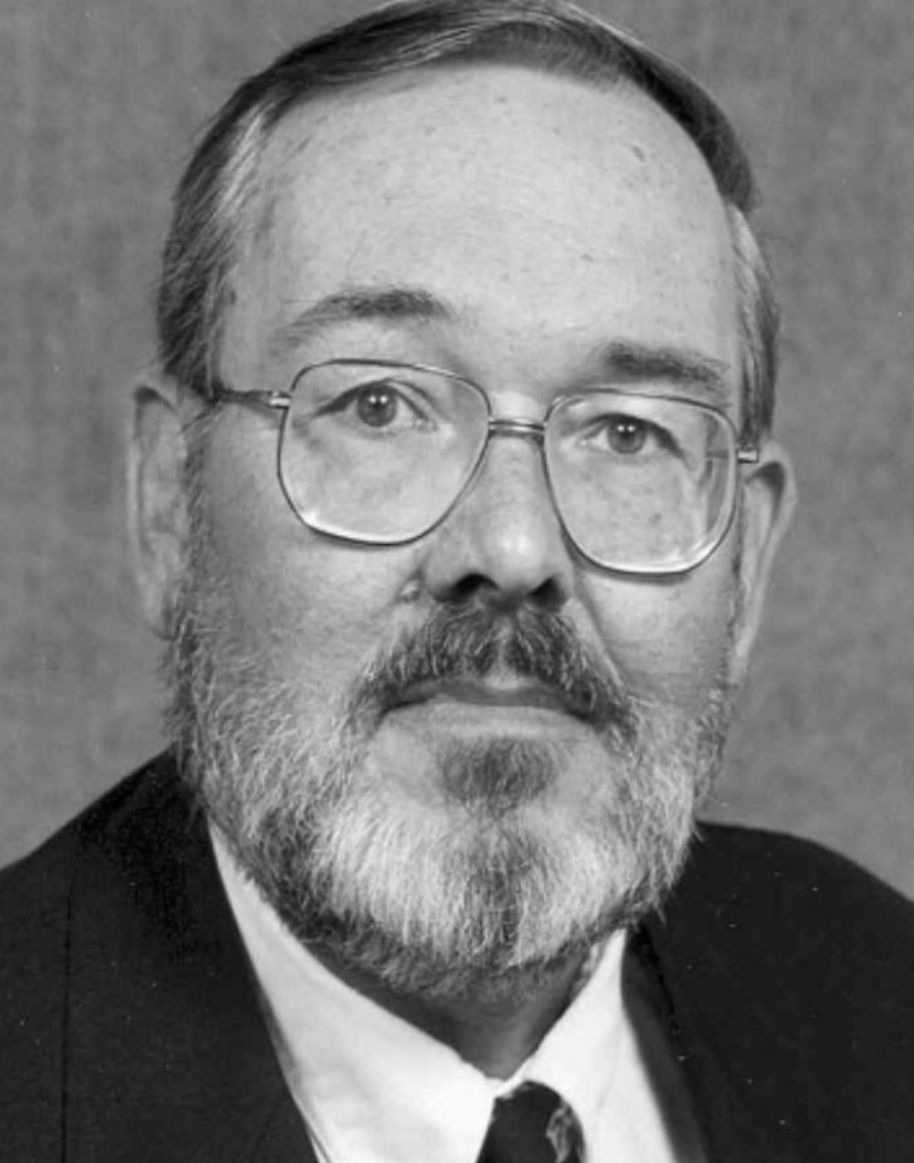 Fox, said Larry Frolik, his colleague for 30 of those years, was “a real student-oriented professor, a real train-you-to-be-a-lawyer professor: ‘What are the arguments you should be making, and what are the issues, and how should you approach them?’ His view of a law professorship: We were training lawyers. His duty, obligation and desire were to make sure students in his class learned something that related to their practice as a lawyer.”
Half of Fox’s teaching load for much of his career, Frolik recalled, involved a first-year property law course — and one could hardly find a subject more common to the practice of law, Frolik explained. At the upper level, he taught a course on real-estate transactions.
Fox also taught a seminar in mineral law, covering coal mining and oil extraction. “That seminar was designed with the thought: ‘If you ever ended up doing work for coal companies, or suing coal companies, this is how the game works,’” Frolik said.
“He was a traditional, question-and-answer type of guy,” Frolik continued. “He engaged his students. He always thought that the teaching impact was the most important part of his job. Even in his writing, it was not just some theory — a lawyer could learn how to do his job better from something Cy wrote.”
Frolik recalled as well the literal open-door policy that Fox maintained for his students — with pipe smoke leaking into the hallway, back in the decades when smoking was allowed in offices. “Students would come in and they would chat it up and he would be puffing on his pipe. I can always see Cy, puffing on that pipe, which gives you time to think.”
“Cy was a selfless colleague who had a rare combination of attributes,” remembered another former colleague, Arthur D. Hellman. “He didn’t try to run things or tell everyone what to do, but he was always willing to take on the hard jobs that were necessary to make the law school run smoothly. In those days, not many faculty members volunteered to serve on the curriculum committee, perhaps because it meant taking on the job of putting the curriculum together. But Cy always put his name in, and year after year he chaired the committee effectively and efficiently.
“At faculty meetings,” Hellman said, “when disagreements arose, he always looked for a middle ground, and his ideas often made it possible for both sides to walk away thinking that the outcome was at least reasonable. That helped us to avoid the bitter polarization that occurred in some other law schools.”
Born on Feb. 18, 1937, Cyril Fox graduated from Peabody High School in 1954, the College of Wooster in 1958, and Pitt’s law school in 1965. He earned his school’s excellence in teaching award twice, as voted by the senior class, and helped to found the Eastern Mineral Law Foundation, which brought together legal scholars and industry professionals.
He is survived by his wife of 64 years, Jane; children Edwin, Cyril and Jen Fox; and four grandchildren.
— Marty Levine
Levine did groundbreaking work in small group learning
John M. Levine, a 50-year psychology professor and the department’s chair for 11 years — who helped to build its social psychology Ph.D. program and did award-winning work at the Learning Research and Development Center (LRDC) — died Feb. 26, 2025 at 82.
 Retired LRDC senior scientist and former School of Education Dean Alan Lesgold, a long-time colleague of Levine’s, recalled that “he was one of a small group of colleagues who were both role models and sources of advice. Research, at its best, is a selfless activity that benefits greatly from wise people presenting their ideas willingly for critical review and debate. John was a model of the true scientist-scholar, daring to try new things and willing to face corrective ideas from others. I hope I absorbed at least some of that disposition.”
In 2011, Levine’s research with Pitt colleague Richard Moreland received the Joseph E. McGrath Lifetime Achievement Award in the Study of Groups from the Interdisciplinary Network for Group Research, which recognized that the pair had “pushed, bridged and redefined many of the boundaries in our field … made theoretical advances in virtually every area of small group research … consistently moved the field forward and have been at the forefront of each new advance.”
“Even in a center devoted to applied science in the service of education (LRDC), John stood out as being concerned always with what his work meant to the school world, even as he was the most rigorous of researchers,” Lesgold said. “His work was important from the outset, since classes are small groups working on the shared task of learning. His work became even more important as tasks in our world, both in school and in everyday life, became more complex and often demanding of teamwork. I very much hope that people studying collective intelligence and teams with both human and AI participants will take the time to research John’s work and what it has stimulated others to discover.”
Levine’s collaborator on the faculty of Carnegie Mellon University, Linda Argote, noted that “John Levine’s research and intellectual leadership have had a major impact — both locally and on a global scale. As a local example, John co-founded the Groups and Organizations seminar, which brought together researchers from different departments across the University of Pittsburgh and Carnegie Mellon University. John’s global leadership included serving as editor of the Journal of Experimental Social Psychology, guest editor of Organizational Behavior and Human Decision Processes, and as president of the Society of Experimental Social Psychology. All of us who had the pleasure of knowing him valued his friendship and collegiality. We are fortunate that John spent his career with us.”
Another close colleague, Charles Perfetti (distinguished university professor of psychology and senior scientist at LRDC), remembered Levine as “a brilliant researcher and academic leader who made a long-lasting impact in helping to build a social psychology Ph.D. program at the University of Pittsburgh.
“Over time, the social psychology program suffered from faculty retirements and other problems. I think it is fair to say that the program was on the brink of disappearing as a stand-alone Ph.D. program. But John was determined to save the program. He resumed its leadership, re-invigorating the program and bringing in new faculty so that it remains today as a solid Ph.D. program within the Department of Psychology.”
Perfetti added: “John is internationally renowned for his research on the processes that shape social interactions within small groups. For example, what processes lead a person to conform with group norms? What are the psychological consequences of deviance from these norms? How do members who are in the minority manage to influence members of the group majority? John’s research was basic social science, but he was keenly interested in its applications to real-life groups, so he later refocused his research on the study of the social processes in work groups.
“John mentored countless students and had many collaborations around the world. He was awarded an honorary doctorate, from the University of Lausanne. He showed a deep dedication to traditional academic values, something I could see in the many faculty discussions where principled positions on competing values were tested.”
Karina Schumann and Mandy Forest, associate professors of psychology, wrote a remembrance together, after having known him during the last decade of his career at Pitt:
“John was a devoted mentor to us during our years as junior faculty, as well as a valued collaborator and dear friend. John was always there when we needed him. He would stop by regularly to check in and was always the first person to offer to provide feedback on a new research idea or grant. On one occasion, Mandy sought John’s advice on a grant proposal. John listened eagerly, asked thoughtful questions, and offered both encouragement and constructive suggestions for strengthening the proposal. Mandy left that meeting feeling energized and immensely grateful, struck by John’s ability to provide feedback that was simultaneously validating and insightful.
“Graduate students also appreciated John’s clear and insightful feedback on their work, specifically requesting him to serve on their milestone committees because they knew his perspective would enhance their projects and training.
“We have also been fortunate to have collaborated with John on different projects. John brought wisdom and expertise as well as energy and excitement to research conversations. We loved the way his eyes would light up when he hit on a great new study idea, and how the energy in the room noticeably increased when John discussed a new finding.
“John was a social psychologist through and through — someone who genuinely loved the field and who had a deep intrinsic interest in the topics he studied (as evidenced by his continued involvement in research even after his retirement). One quality we greatly admired was John’s knack for generating interesting and important ideas and his keen ability to turn them into tractable research questions.
“On one occasion, Karina and a grad student began developing a research idea on political intragroup processes. They presented it to John, and in a single meeting, they generated half a dozen potential lines of research stemming from this concept. It was one of the most generative and inspiring meetings Karina had ever participated in. She came away from that meeting in awe of John’s ability to connect new ideas to longstanding theories in the field, enhancing the depth and richness of the research project through his deep knowledge and creativity. Despite his vast knowledge, John brought humility to every collaboration, consistently embracing others’ suggestions and approaches with openness and respect.
“We will always be grateful for the kindness, generosity and wisdom he brought to our lives.”
John M. Levine was born in Des Moines, Iowa, on Nov. 28, 1942. He graduated from Northwestern University with a bachelor of arts degree in psychology in 1965 and from the University of Wisconsin with master’s and doctoral degrees in psychology in 1969.
He began his academic career at Pitt that year, and joined the LRDC in 1977. His stint as chair of psychology spanned 1985-1996. He was also director of graduate studies in his department (1998-1999).
He is survived by his sons, Jeff (Carmina) and Andy (Liz); his sister, Carolyn; and his grandchildren, Bennett and Isabel.
Memorial gifts are suggested to the Family Hospice Foundation, 700 Bower Hill Road, Suite 1405, Pittsburgh, PA 15243.
— Marty Levine
Lovett’s death a ‘huge loss’ for history and gender studies departments
Laura L. Lovett, director of the Gender, Sexuality and Women’s Studies Program (beginning in 2022), who helped found the Society for the History of Childhood and Youth and co-edited its journal (2005-13), died March 4, 2025 at 61.
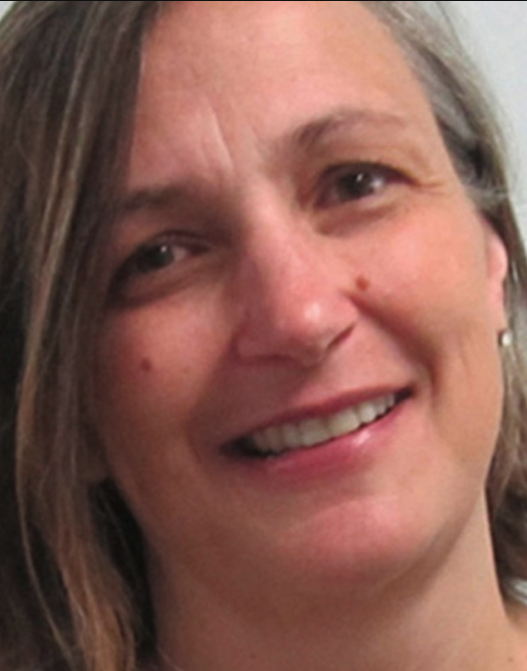 Lovett’s colleague in the Dietrich School of Arts & Sciences’ history department, Ruth Mostern, met Lovett in graduate school at the University of California–Berkeley in 1990; they joined the Pitt faculty together in 2018.
“What a huge loss this is for gender history and childhood history, for our history department at Pitt, as well as for many of us who were touched by her sunny, energetic and thoughtful personality,” Mostern said.
While Lovett’s academic focus was on the United States in the 20th century and Mostern’s was on medieval China, “we had a lot of overlapping interests and a lot of overlapping sensibilities,” Mostern recalled.
Both were members of an environmental humanities working group that involved Pitt and Carnegie Mellon faculty. They sat together on the same graduate student committees. “And we are both people who have a passionate commitment to good government in the department and at the University,” Mostern said, with “a shared vision for a department and University that were just and democratic and supportive of academic freedom.”
As a scholar, Lovett’s work “was always to build connections, to make things happen, to bring people together ... She was someone who was always organizing conferences, events, connecting people with one another.”
Her first book concerned “how science shaped society and how society shaped science,” Mostern explained. “Conceiving the Future: Pronatalism, Reproduction, and the Family in the United States, 1890-1930” (University of North Carolina Press, 2007) examines the push for certain groups to have more children, which has historically borne both the stamp of eugenics as well as the possibility of threatening women’s reproductive rights – and is seeing a resurgence on the right today.
“She would have had so much to say at this political moment,” Mostern said. “I hear her voice of outrage and moral courage in my head.”
Mostern visited Lovett in the hospital several months ago, when Lovett was recovering from a bicycle accident.
“I asked what I could bring her,” Mostern remembered, “and I expected she might want food that wasn't hospital food” — or perhaps some books. “What she wanted me to bring instead of that was a cutting from a house plant” to give as a present to a helpful nurse. “That's one of the memories I will carry most into the future — her generosity, making connections with other people and bringing together a whole community ... in order to be someone who could help people’s needs.”
Born on Feb. 2, 1963, Laura L. Lovett attended UCLA as an undergraduate and then UC–San Diego for her master’s degree in English and American literature. After earning her Ph.D. at Berkeley, she taught at the University of Tennessee–Chattanooga, Dartmouth College and the University of Massachusetts–Amherst before joining Pitt.
Lovett’s research and teaching, her department noted in a remembrance, “focused on questions of gender, family, childhood, race, immigration, feminism and the environment. Unusual for a U.S. historian, she strove to situate historical developments in the United States within their global contexts. Laura was also a passionate teacher deeply involved in the mentoring of undergraduate and graduate students. Her teaching stood out for building outreach partnerships with community organizations such as Breakthrough Pittsburgh and Jumpstart Pittsburgh, thus connecting Pitt undergraduates to middle and high school students across the city.”
She edited two collections: “When We Were Free to Be: Looking Back at a Children’s Classic and the Difference It Made” (co-edited with Lori Rotskoff, 2012), and “Sex in Global History: Modern Sources and Perspectives” (2017). Her second book was “With Her Fist Raised: Dorothy Pitman Hughes and the Transformative Power of Community Activism (Beacon Press, 2021), a portrait of the African-American civil rights and feminist activist of the 1960s-80s.
She also co-edited “It’s Our Movement Now: Black Women’s Politics and the 1977 National Women’s Conference” (with Rachel Jessica Daniel and Kelly Giles, University Press of Florida, 2022). Most recently, she had several projects in progress: a book on labor history in Pittsburgh; a co-edited book, “Gender, Colonialism, and Science, 1750-1950: Environments” (with Bridget Keown and Ayah Nurridin); and a collaborative research program on the history of Pittsburgh’s racially restrictive housing covenants.
She had a leadership position with the Berkshire Conference of Women Historians, which holds the world’s largest conference on women’s history every three years, and served on the Faculty Network for Student Voting Rights’ steering committee. Locally, she helped the Rivers of Steel program re-create the steelworkers’ garden as part of the Carrie Furnace site.
This weekend, March 21-22, the Gender, Sexuality and Women’s Studies Program will hold a conference that she organized: “Oh, You Beautiful Doll”: Childhood, Gender, Play and Culture, which involves the author of the American Girl Doll books and an exhibit at the Heinz History Center.
She is survived by her parents, Sandra and Bill Lovett; her sister, Terrin Irwin; her partner, Michael Dietrich; and her children, Lydia Lovett-Dietrich and her partner Emily Derosier and Charlie Lovett-Dietrich.
Memorial gifts are suggested to Grow Pittsburgh or to other feminist and climate action groups.
— Marty Levine
Pettit was a dedicated teacher and researcher in materials engineering
Frederick S. Pettit, Harry S. Tack Chair professor (1989-2006) and professor emeritus in the former Department of Metallurgical and Materials Engineering in the Swanson School of Engineering, died Feb. 25, 2025 at 94.
“He is a stellar figure in the field of high temperature corrosion,” said Brian Gleeson, current Harry S. Tack Chair professor and chair of what is now the Department of Mechanical Engineering & Materials Science, whom Fred Pettit recruited to Pitt. “He made major contributions.”
Pettit had already established himself as a prominent researcher at Pratt & Whitney when he joined Pitt. “In the literature, his work is still often referenced,” Gleeson noted.
A remembrance from his department notes that “Pettit’s research focused on degradation of materials at elevated temperatures by oxidation, hot corrosion and erosion, and the use of coatings for protection. His work emphasized high-performance, high-temperature materials as superalloys, intermetallics, composites and coatings for use in advanced combustion systems. In 2004, the Tenth International Symposium on Superalloys, hosted by The Minerals, Metals, and Materials Society, dedicated the proceedings to his research.”
Pettit also co-authored a textbook with Emeritus Prof. Gerald Meier, “Introduction to the High-Temperature Oxidation of Metals.”
Gleeson recalled Pettit as “a very thorough, dedicated teacher” as well as an advisor to many Ph.D. students. He taught until he was 84. “If that’s not dedication, I don’t know what it is,” Gleeson added. “He was just a gentleman and a scholar. I never heard him say a bad word about anyone. He was a genuine person and a thoughtful mentor.”
One of those whom he mentored was James M. Rakowski, as a Pitt Ph.D. student who is now technical director of ATI’s specialty rolled products. Pettit served on Rakowski’s thesis committee.
“He was maybe a little more professionally oriented” because he started his career outside academia, Rakowski said. “He brought a lot of aerospace super alloy metallurgy experience to Pitt, so we did a lot of things in collaboration with the industry of the gas turbine world. He brought a little bit of practicality to the work we did. We did work in real materials, things that were in service or that were nearing in service” — commercial alloys as opposed to next-generation materials.”
“He was always a really good, thorough professor. He was a serious guy but he had a sense of humor. He would put on a serious face but you could tell he was enjoying himself. He made sure you understood how things worked and that you understood the material thoroughly.” As an advisor, he said, Pettit “was teaching us to become grown-up individuals. Without being hard on us, he taught us how to show up on time, how to be professional, how to be good future academics and/or engineers.
“He was gentle but insistent that we learned how to manage our day-to-day. He was interested in our future development and I found that very helpful moving forward and in everything I've done.”
Pettit even found contract work for students who needed help with income and talked one student out of quitting after the student had lost confidence in his own abilities, Rakowski remembered.
One annual engineering conference Pettit attended with his students, including Rakowski, in the White Mountains of New Hampshire featured a mile-long uphill race for conference participants. Students in their 20s kidded Pettit about beating their professor, who was decades older, Rakowski said. The students would start off running, while Pettit followed at a jog, but “by the end he had passed every single one of them.”
Overall, he concluded: “You knew he had expectations and you did not want to let him down. You knew you wanted to live up to his level. He made all of us better.”
Frederick S. Pettit, was born on March 10, 1930, in Nuangola, Pa. He received his bachelor of science degree from Yale, then started his career at Westinghouse before serving as a Marine Corps officer. Returning to earn his Ph.D. from Yale, he took a postdoctoral position at the Max Planck Institute in Germany, then began work as a research scientist for Pratt & Whitney.
After retirement from Pitt, he taught graduate classes in thermodynamics at the University of Connecticut.
He is survived by his wife of 66 years, Lou-Jean; sons Nicholas, Theodore (Carrie) and John (Kathy); grandchildren Shenandoah Avalos (Alex), Savannah, Nathaniel, Charles, Matthew, Grace, Daniel and Zachary; great-granddaughter Lyra Avalos; and sister-in-law Adele Corso.
Memorial gifts are suggested to the Charles Andrew Pettit Scholarship Fund, University of Pittsburgh, PO Box 640093, Pittsburgh, PA 15264.
— Marty Levine
Former physics chair Engels led high energy experimental physics group
Eugene Engels Jr., a nearly 30-year professor in the Department of Physics and Astronomy (1970-1999), including six years as department chair (1985-1990), died June 30, 2024, at 90.
Born in 1933, Engels earned his bachelor of science degree with honors from Caltech in 1955 and was commissioned an officer in the Air Force, where he served at Edwards Air Force Base in California with the Air Research and Development Command (1955-1957).
He received his Ph.D. from Princeton in 1962, then joined Harvard as instructor in physics, and then assistant professor and associate professor (1962-1970). He then joined the Pitt faculty as professor in 1970, gaining emeritus status in 1999. He was also a visiting scientist at the Centre d’Etudes Nucleaires de Saclay, France (1980-1981).
His former colleagues, emeritus professors Steve Dytman and Frank Tabakin, wrote a remembrance for the UTimes:
Gene had a highly distinguished career at the University of Pittsburgh. That career included not only performing original and creative research in high energy experimental physics, but also the establishment of a talented and vital group in that field at Pitt. He was an outstanding scientist and a brilliant teacher, at both the undergraduate and graduate levels. Part of his success in these activities was his intrinsic charm, which served to inspire his colleagues and his students to greater achievements.
Gene came to Pitt in 1970 as a tenured professor. He was initially supported by a National Science Foundation/Centers of Excellence Program aimed at building a strong high energy experimental group. He succeeded in that goal admirably and that group, enhanced by outstanding additions, remains an important contributor to a broad range of high energy research internationally. Over the years the Pitt group contributed to many fundamental experiments at Brookhaven National Lab, the European Organization for Nuclear Research (better known by its French acronym CERN) and Fermilab.
The high energy experimental group embarked on studies of the fundamental building blocks of matter, which involves examining the sub-atomic world using collisions between highly energetic beams of particles at accelerators. Earlier, it was thought that those fundamental building blocks were electrons, protons and neutrons, enhanced by photons. By the 1960s, that view was challenged and a new proposal explained high energy electron-proton collisions by suggesting that protons and neutrons consisted of new fundamental particles called quarks. A wide range of particles called hadrons could then be described in terms of quarks. That theory became quantum chromodynamics and was the basis for what is now called the standard model of subatomic physics.
When Gene was forming the Pitt high energy experimental group. only three types of quarks (two standard and one more recently named “strange”) were expected, but further experiments led to additional quark types dubbed charmed, bottom and top. The question arose as to what hadron-like systems could be built from such ingredients and which could be detected and measured. The Pitt group joined this task with great success. Their first experiments investigated the detailed properties of hadrons containing a single strange quark and these provided strong confirmation of the quark model.
The Fermilab experiments were highlighted by the discoveries of the Bc meson (an exotic hadron composed of bottom and charmed quarks) and the top quark (the last quark to be discovered, which is also the heaviest). Gene led the effort to develop technology of silicon microstrip detectors at Pitt. These were key components providing superior vertex resolution which enabled the study of very short-lived particles such as the top quark at Fermilab.
“Gene came to Pitt at a time of great interest in fundamental interactions,” recalled Paul Shepard, another departmental professor emeritus and Engels’ long-time collaborator. “Many important discoveries came during his career and he was a valuable contributor both in technology and physics. By the time he retired, the standard model picture of six quarks was firmly established.”
One of Eugene Engels’ greatest contributions to the University was as a teacher. He taught a variety of courses with a unique style that conveyed a lot of warmth and knowledge to many undergraduate and graduate students. He wanted students to love learning and in that he was highly successful. He greatly enjoyed teaching and indeed, even after retirement, Gene continued teaching and led advanced undergraduate courses until age 84.
Gene was a person of great culture and insight. He had broad knowledge not only in his selected field, but also in history, art, politics and especially music. He taught courses on physics in music at Pitt’s Osher Lifelong Learning Institute and Frank Tabakin recalls that “it was a special treat to hear Gene perform Mozart as a professional-level flutist.” He was a person who could give excellent advice and guidance, all delivered with grace, kindness and humor.
Many department faculty, staff and students remember his joie de vivre and great humor in almost any situation, often at his own expense. He was part of a group that had close cordial relationships. Steve Dytman recalls his ready willingness to deal positively with almost every situation. Dytman also remembers the happy times visiting with Gene in retirement.
A remembrance posted by his department notes that Engels was elected a fellow of the American Physical Society in 1988, adding: “Those of us who knew him remember the unflagging positive energy Gene brought to any gathering.”
Engels is survived by his two sons with his wife of 51 years, Katrin: Lars and Oliver.
Sontheimer transformed Pitt economics programs here and abroad
Kevin Sontheimer, a 27-year faculty member who, as chairman, transformed the Department of Economics in the Dietrich School of Arts & Sciences and was instrumental in the founding of two pioneering international economics and management programs, died Feb. 3, 2025, at 86.
His tenure as economics chair lasted through most of the 1980s. One of his early hires was future Nobel Prize-winning economist Alvin Roth as the first Mellon professorship at Pitt. “Kevin played a giant role in my decision to join the department in 1982,” Roth recalled. “He convinced me that, although the department had previously been somewhat under-resourced, it was a healthy department where it would be fun to work, with colleagues who would work together.
“And he was certainly right about that,” Roth continued. “During the time he was chair, we received permission to recruit fairly heavily, and successfully grew the department into a leading research department as well as a fine teaching department. I did some of the best work of my career at Pitt (1982-1998).
“One of the many things that Kevin did as chair was obtain a grant that allowed us to become one of the early economics departments to have an experimental laboratory. He built the department in other ways as well.”
That included securing a Mellon Foundation grant to found, together with Jan Svenjar and Josef Zieleniec, the Center for Economic Research and Graduate Education (CERGE) at Charles University in Prague in 1991 (which became CERGE-EI in 1992, merging with the Economics Institute of the Czech Academy of Sciences). He was also an instrumental part of the team from his department and the Katz Graduate School of Business to receive USAID grants to work with Academia Istropolitana Nova and other institutions in Bratislava, Slovakia, to set up their economics program as well as the program at Comenius University in Bratislava.
“Kevin was instrumental … a very, very important player in both of these efforts,” said Andrew R. Blair, professor emeritus of business administration and of economics at Katz and the College of Business Administration, and a close colleague of Sontheimer. “Kevin’s role in the Czech Republic and, most especially, the Slovakia relationships was absolutely vital to the success of these Pitt ventures in Central Europe, which were aimed at incorporating free markets in these countries after decades of operating under Soviet domination,” he added.
While Sontheimer was economics chair, Blair was director of Katz’s International Business Center, and their cooperation was crucial in such efforts. Blair explained that Sontheimer in particular was “the driving force” behind the latter international program, “with Kevin serving both as co-director of the USAID grant implementation and also as resident director in Bratislava of the economics portion of the Comenius relationship. The idea was to train people who were already faculty members at these institutions, to teach with them over there, and to bring them over here” to Pittsburgh: “Without the grant we couldn’t possibly have done that.
“It was a pleasure to work with Kevin.”
Kevin Charles Sontheimer was born on March 6, 1938, in Pittsburgh, earning his bachelor's degree in physics at Pitt in 1960, a master's degree in economics from Penn State University in 1963 and a Ph.D. in economics from the University of Minnesota in 1969.
He began his academic career on the faculties of Virginia Tech and SUNY–Buffalo, then joined Pitt in 1978 until his retirement as professor emeritus in 2006. He was economics department chair for eight years.
His own research focus was on microeconomic theory, which led to publications in Econometrica, Journal of Economic Theory and Journal of Money, Credit and Banking, as well as other leading academic publications in his field. He was also a visiting professor at the Naval Postgraduate School in Monterey, Calif., and at the University of Mannheim in Germany.
He is survived by his wife of nearly 65 years, Carol Sontheimer; daughter Leigh Ellen Sontheimer; son Erik Sontheimer and daughter-in-law Catherine Brekus; son Steven Sontheimer and daughter-in-law Morgan Triplett; grandchildren Claire, Rachel and Tanner Sontheimer; brother Adrian (“Dink”) Sontheimer and sister Sue Wilmot.
A gathering to celebrate Sontheimer’s life will be held at a later date. Memorial gifts are suggested to the Alzheimer's Association or the Department of Economics at Pitt.
— Marty Levine
Ken Service helped spread University news during 2 stints at Pitt
Ken Service, Pitt’s chief communications officer (2013-2016) and previously director of news and information (1994-2001) died Jan. 29, 2025 at 78.
Service lent his communications, public relations and development expertise to industry but had a particular passion for aiding higher education, through the years serving SUNY–Buffalo, Carnegie Mellon University, University of Cincinnati, Duquesne University and La Roche University as well. He was a founding member of the National Counselors for Higher Education section of the Public Relations Society of America (PRSA) and was inducted into the PRSA College of Fellows in 1998.
“I have no doubt that his heart was at the University of Pittsburgh,” said Chancellor Emeritus Mark Nordenberg. “When I became interim chancellor in the summer of 1995, Pitt faced challenges on a number of fronts. Among the most visible were strained relations with the media and negative reporting by the local press. Fortunately, I inherited Ken as the University’s principal spokesperson, and he was terrific in that role. He was well-respected by the journalists covering Pitt, who already knew him to be a fair, honest and thoughtful professional.
“Not only was Ken adept at helping us dig out of some pretty big holes,” Nordenberg added, “but he was determined that we begin to share the good news about Pitt more effectively. Among other things, he arranged me to do a monthly program on an all-news radio station. It was broadly titled, ‘The Higher Education Report,’ but it really was all about Pitt. Whenever we would arrive to tape the program, the person in charge would greet Ken, who was prematurely gray, as ‘the silver fox.’ It was a sign of the respect and affection that generally characterized Ken’s relationships with members of the local media.”
After his initial stint at Pitt, Service’s move to LaRoche was engendered by the chance to undertake “a much broader portfolio of responsibilities,” Nordenberg noted, “leading that university’s efforts in governmental and alumni relations, as well as communications.”
When Service moved next, Nordenberg — then chairing the Pittsburgh Council on Higher Education — helped to recruit Service to be its next executive director. “It was a perfect match for the higher education community because we were moving through a period of intense pressure for nonprofits to make payments in lieu of taxes to the city. Ken’s experience in both communications and governmental relations made him an invaluable member of the higher-ed team.
“After the passage of some additional time, I completed the circle by asking Ken to come back to Pitt as our chief communications officer. He was every bit as energetic and even more capable than he had been when we started working together many years earlier.
“Working with Ken was a gift to me, just as his work was a blessing for Pitt,” Nordenberg said.
Service’s daughter, Amy E. Service, who is senior associate secretary of the Pitt Board of Trustees, said her father “had a real passion for higher education and was so very proud of all the exceptional work and progress happening at the University during both his tenures here. It was truly an honor for me to be able to work with him and see his expertise in action.
“Over the last few weeks since he passed,” she said, “many individuals have reached out to my family with stories of the impact working with my dad had on them personally and professionally. Many shared stories of how he was the first person to hire them out of school or was the first to give them a chance for success in the field. He was not only a professional mentor to many, but a life mentor as well. He truly cared for everyone he worked with and took pride in their successes. He was a consummate professional.”
She recalled fondly that “my dad was also a true blue and gold Panther fan, spending his weekends with my mom at the stadium cheering on the football team. He and I attended many basketball games together, which is a memory I will always cherish.”
Service is survived by his wife of 56 years, Rhys; children Jennifer and Amy; granddaughter Lainie; and brother Allan.
Memorial gifts are suggested to CurePSP (psp.org).
— Marty Levine

Former Senate President McDuffie helped rebuild trust with administration
Keith A. McDuffie, 17-year chair of the Department of Hispanic Languages and Literatures and past president of the University Senate, died Jan. 9, 2025, at 92.
There will be a Celebration of Life from 6 to 9:30 p.m. March 13 at the Kimpton Hotel Monaco Pittsburgh.
“Keith became the president of the University Senate and I became interim chancellor of the University at the same time, the summer of 1995,” recalled Chancellor Emeritus Mark Nordenberg. “Relations between the leadership of the Senate and University leaders may have been at an all-time low. There was a lack of trust, and interactions often were antagonistic.
“Keith and I did not know each other, so we arranged to meet,” Nordenberg continued. “Each of us left that conversation convinced that the other was driven principally by a desire to make Pitt an even better place. Recognizing that we would not always agree on the best ways to advance that goal, we pledged that our interactions always would be civil and respectful and that neither of us would publicly surprise the other.
“Keith always met those standards, and over time, we became both partners and friends, even though we did not agree on everything. The tone that Keith helped set became a model for his successors, which clearly benefited the University. His love of Pitt was evident in the way that he handled his responsibilities, and his positive human qualities always were on display in his dealings with others.”
John Baker, emeritus associate professor in the School of Dental Medicine, followed McDuffie as Senate president a decade later. “Keith was a calming influence,” he said of McDuffie’s years at the Senate’s helm, “who tried to mediate the differences of opinion. One of his lasting Senate legacies was the hiring of a new director for the Senate’s office, which resulted in improved office efficiency.”
When he saw McDuffie several years ago at a luncheon hosted by Mark Nordenberg for past presidents of the University Senate, “he was still taking piano lessons, a hobby he'd begun in retirement and which, although challenging, gave him great pleasure.”
Katharine Baker, a former Pitt student and John Baker’s wife, recalls how encouraging McDuffie was to her own academic studies and career as a Portuguese translator, which was inspired by her Portuguese heritage: “Keith encouraged me, saying the language wasn't as hard to learn as I feared, and that he'd taken a year of it in grad school.
“He also told me many times that choosing to hire Dr. Bobby J. Chamberlain to teach Portuguese was one of the best decisions he made during his years as chair of the Department of Hispanic Languages and Literature,” she added. Chamberlain, who mentored her translating career, died in 2022..
Keith Arthur McDuffie was born Feb. 12, 1932, in Spokane, Wash. Graduating from Missoula County High School in 1949, he earned his undergraduate degree in English from Gonzaga University in Spokane in 1954.
After his time in the Army, McDuffie taught English and Spanish at a Washington high school and at the Middlebury College Foreign Language Schools in Vermont. He spent the 1958-59 academic year in Spain at Universidad Complutense de Madrid, part of his pursuit of a master’s degree in Spanish, which he earned from Middlebury in 1960.
After several years teaching Spanish at a pair of New England academies, he began his university teaching career at Pitt–Johnstown in 1964, earning his Ph.D. in Spanish from the University in 1969. He taught at the University of Montana (1967-1974), chairing its foreign languages department (1969-1974), before rejoining Pitt as the Department of Hispanic Languages and Literatures chair. He also directed the department’s graduate program in Hispanic Languages and Literatures (1992-1994) before retiring as professor emeritus in 1996.
McDuffie had written his doctoral dissertation on Peruvian poet César Vallejo, whose work was just becoming known in the English-speaking world. At Pitt, he continued to write about Vallejo’s work and to review its translations, although his research also began to include more modern works: the telenovelas of Mexico and Brazil, Manuel Puig’s novels and contemporary Latin American short stories. His teaching focused particularly on graduate courses.
While at Pitt, McDuffie edited Revista Iberoamericana for the Instituto Internacional de Literatura Iberoamericana (1991-1996). He was instrumental in bringing the Semester at Sea program to Pitt, serving as Pitt’s first academic dean on the spring 1981 voyage and as Pitt’s first administrative dean on the spring 1989 voyage. He also chaired Pitt’s faculty oversight committee from 1981 to 1991.
He was an active member of the University Senate beginning in 1977, into his retirement, and was elected vice president (1985-86) and president (1995-96) while serving on many Senate committees.
He is survived by children Anne McDuffie (Tim Wood) and Andrew McDuffie, their mother Helen McDuffie, and grandchildren Sarah Wood, Tyler Wood and Olive McDuffie, her mother Courtney Anderson, and many cousins, nieces and nephews. His second wife, Pamela Bacarisse, preceded him in death.
Memorial gifts are suggested to Doctors Without Borders.
— Marty Levine
Hearn led and helped grow Architectural Studies program for 25 years
Fil Hearn, director of the Architectural Studies program for 25 years, died on Oct. 31, 2024, at 86.
Professor Emerita M. Alison Stones, Hearn’s colleague in the Department of History of Art and Architecture, first met him when they were both students on a trip to Paris, recalling with fondness their “congenial and collegial interaction over the years. Fil's work in architecture and sculpture in England and France resulted in important publications and his guidance of hands-on experience with Semester at Sea were highpoints for his Pitt students.”
On campus, Stones said, “he was a key player in the Architectural Studies program, which he master-minded with colleague Frank Toker, that offered specialized opportunities for Art History majors.”
Another former colleague, David Wilkins, joined the department with Hearn in 1967. “We increased the number of art historians to five,” he said. “Within a few years the department experienced exciting growth and the faculty numbered about a dozen. We were perhaps the first History of Art department in the country where the faculty was split about half and half between men and women, the result of our concerted effort to hire the very best young scholars.
“Fil and I taught Introduction to Art together that first year and also a seminar on the International Gothic Style,” Wilkins continued. “Like most of the faculty in those early years, Fil had a remarkable breadth of knowledge; eventually he published books on Romanesque Sculpture and Gothic Architecture, but his most important work examined the history of the very idea of architecture,” in an award-winning 2003 book titled “Ideas That Shaped Buildings.”
“When he envisioned and developed a new major in Architectural Studies that encompassed history, design and urban planning, he provided an important new opportunity for Pitt undergraduate students.
“Fil appreciated the educational component available in travel, and he led the Mellon Summer Seminar across Romanesque Europe, taught on Pitt’s short-lived London program, and was a popular academic dean on three voyages of Semester at Sea.”
Remembering their collaborations, Wilkins added: “When Fil and I taught together, the diversity of our backgrounds, mine in Italian art and his in British and French art, meant we always had new examples to enrich our class presentations and discussion. His experience studying at Berkeley encouraged him to emphasize function and patronage in our classes, and those emphases have continued to inform my work even today. It was always clear that he held his students to the highest standards.”
Millard Fillmore Hearn Jr. was born Aug. 18, 1938 in Lincoln, Ala. He earned bachelor's degrees in history and English at Auburn University, and then served as an active-duty officer in the U.S. Navy aboard an aircraft carrier, the U.S.S Kitty Hawk, as lieutenant junior grade, where he managed the shipboard television station and was named the Poet Laureate of the Atlantic Fleet.
Hearn earned two M.A. degrees, in European History and Art History, and a Ph.D. in Art History at Indiana University, then studied at the University of California–Berkeley and the Courtauld Institute of Art in London.
His focus on architectural theory and history resulted in many published articles and four books, which included “Romanesque Sculpture,” 1981; “Ripon Minster and the Beginning of the Gothic Style in Northern England,” 1983; and “The Architectural Theory of Viollet-le-Duc,” 1990.
Hearn was also teacher and advisor to many generations of students across his 39 years at Pitt, briefly chairing the Fine Arts Department before heading the Architectural Studies program.
He is survived by his wife of 58 years, Jana; children John Hearn (Nicole) and Susannah Kerest (Nikolas); grandchildren Hudson Hearn, Vivian Hearn, Helena Kerest and Lewis Kerest; and sister Mary Emma Bunch (Michael).
Memorial gifts are suggested to the Hearn Endowed Scholarship for students in the University’s Architectural History Program, or to the Greater Pittsburgh Community Food Bank.
— Marty Levine
Civil engineering’s Torkamani developed coursework still used today
Morteza Torkamani, an associate professor of civil engineering in the Swanson School of Engineering for 37 years (1980-2017), has died at 83.
Torkamani’s colleague in the Department of Civil and Environmental Engineering, John Brigham — who joined the school in 2008 — remembered Torkamani as a senior faculty member with whom he worked on graduate students’ committees and on faculty committees.
“Even then, he was very much a passionate professor,” Brigham said. “He was very committed, always in the office, working hard.”
Torkamani’s academic focus was on the equations that governed the stability of structures and how buildings respond to earthquakes and winds — particularly on how they might fail. He taught a broad range of courses, particularly for structural engineering and mechanics, from early classes on dynamics of solids up to master’s-level courses on advanced structural analysis.
He was responsible for delivering a large part of the structural analysis coursework that remains today, and thus, “a lot of the class structure there and the curriculum structure there is owed to his guidance,” Brigham said.
“He was a very rigorous teacher” known for his tough, demanding classes, he added. Students, referring to him by nickname, had a saying: “ ‘If you could make it through a Tork class, you can make it through anything.’ I think that was said with appreciation.
“He was frankly very quiet, a reserved person, but he was always willing to contribute,” Brigham said. In person he was “very warm, always willing to help out with teaching committees. He was always there and willing to lace up his boots and get to work.”
Morteza Torkamani earned medals in wrestling during his undergraduate years at Tehran University in Iran, and was instrumental in helping to improve conditions in Iran by building roads as a civil engineer. He earned a Ph.D. in his field from UCLA. “His contributions to the field, including a wealth of scholarly literature, remain highly regarded by his graduate students and colleagues,” noted a departmental remembrance.
He is survived by two sisters and a brother.
— Marty Levine

Clareann Bunker spread her epidemiology research across the globe
Associate Professor Emeritus of Epidemiology Clareann H. Bunker, whose research abroad brought not only knowledge but also treatments to those countries — “a trailblazer in advancing epidemiologic research across the globe,” as her department hailed her recently —died Nov. 20, 2024.
A celebration of her life will be held at 2 p.m. May 26, 2025, at the Hulls Cove Schoolhouse in Bar Harbor, Maine, a city that Bunker also called home.
“Clare was a brilliant epidemiologist, an equally brilliant teacher and a wonderful person,” said Distinguished Professor of Epidemiology Anne Newman, who was chair of epidemiology (2010-2022) at the end of Bunker’s career and worked several times with Bunker overseas. “She identified and pursued the important problem of high rates of prostate cancer in Tobago, not only searching for risk factors but also educating the public about it and getting surgical care for men who needed it.
“She later started a birth cohort in India, setting up the foundation for others to build on the data and biologic specimens and to follow up the study participants. She led research training for the faculty at MediCiti in Hyderabad, securing funding through the National Institutes of Health’s Fogarty program and hosting many faculty to come to the U.S. to take epidemiology courses and work on research projects. Her lectures were clear and pragmatic, engaging students in solving real-world problems.”
Newman remembered Bunker as “so adventurous, traveling to Africa and India by herself, so curious about world health and so generous with efforts to expand expertise to local faculty.”
Distinguished Professor of Epidemiology Jane Cauley was a Ph.D. student here alongside Bunker and joined the faculty a year earlier. “Clare had so much humility,” Cauley said. “She never really wanted to be the star, even though she was.” Cauley, who researches osteoporosis, said Bunker added bone density studies to her own work in Nigeria after discussing the issue here. “I didn’t go to Nigeria, but she did and she got it done,” Cauley said.
“She was a gentle spirit,” Cauley added. “She related very well to students and she did it with such joy. She infused humor into her teaching.”
P.S. Reddy, professor of medicine, praised Bunker’s “long, persuasive work in training faculty in global health. Dr. Bunker has been a cornerstone in advancing research capacity building at SHARE INDIA and MediCiti Institute of Medical Sciences, Hyderabad. Her mild-mannered, soft-spoken, humble personality impressed all the trainees irrespective of their age and stage in life. Her visionary leadership and unwavering commitment to nurturing talent have left an indelible mark on the individuals she mentored and the institutions she served.”
He noted her acquisition of a grant that created training programs there, which “had a profound impact, with over 200 trainees. … The mentees nurtured by Dr. Bunker continue to make significant contributions to global public health.”
He also lauded her creation of the Longitudinal Indian Family Health Study (LIFE Study) at Hyderabad that, for the last 20 years, “has provided opportunities for scholars to complete doctoral and postdoctoral research both in India and abroad. Additionally, the study has contributed data for national-level analyses in India, supporting the development of estimates for anemia in pregnancy and stillbirths.
“Dr. Bunker’s transformative leadership and tireless commitment to research capacity building have left a lasting legacy,” he added. “Her contributions continue to empower researchers and enhance public health outcomes in India and beyond.”
Born Dec. 6, 1939, in Columbus, Ohio, Bunker earned her bachelor of arts degree in zoology from Wellesley College in 1961, her master’s degree in public health in epidemiology from Johns Hopkins in 1980 and her doctoral degree in epidemiology from Pitt in 1984.
She joined the Pitt faculty soon after and continued teaching here until 2016. Her first research in Benin City, Nigeria, brought increased understanding of cardiac risk factors and prevention methods there, while her Tobago work eventually expanded to include women and issues of skeletal, metabolic, cardiovascular and cognitive health. Bunker’s work as principal investigator on a Fogarty International Center grant helped Indian researchers adopt computational modeling tools.
Her mentees were many: She led 15 Ph.D. committees and was the primary advisor for 14 master’s degree students at Pitt, while also training students in Nigeria, Cameroon, Trinidad and Tobago, and India. Her honors include induction into Delta Omega (the Public Health Honor Society), a Distinguished Alumni award from Pitt and a special commendation for her research excellence from the Caribbean Public Health Agency.
She received funding for her studies from the National Cancer Institute, National Heart Lung and Blood Institute and Department of Defense, publishing more than 180 scientific papers in leading medical journals.
Her earliest work took her to Bar Harbor, Maine, as a professional research assistant at the Jackson Laboratory there. She was founding executive director of the Maine Center for Human Genetics, providing genetic counseling services from 1974 until 1981.
She is survived by children Ann Durost and son-in-law Paul; Daniel Bunker and daughter-in-law Deborah Elman; and Andrew Barney Bunker and daughter-in-law Jen Leithauser; grandchildren Amy Sylvester and her husband Alexander; Nathan Sylvester and his wife Madelyn Brackett; Mason Bunker and his partner Ben Schmandt; and Jordan and Jack Bunker; great-grandchildren Ronan and Quinn Sylvester; brothers Frank Hess and sister-in-law Nancy; John Hess and sister-in-law Carol; and Jay Hess.
Memorial gifts are suggested to Peoples’ Symphony Concerts in New York City (www.pscny.org/clareann).
— Marty Levine