

By SUSAN JONES
After opening with some fanfare in August, the new Eatery on the ground floor of Litchfield Towers hit some stumbling blocks with student complaints. But it’s now operating at full capacity after getting a clean bill of health from the county and doing some more training and updating of safety procedures.
The Eatery primarily serves students, but also is open to all faculty and staff members. It processes about 6,500 transactions a day. And for those on specialized diets — allergen-free, kosher or halal — there are plenty of options.
“We would love to have more faculty and staff in here, and that was part of the intention,” said Steve Schurr, vice president of operations for Chartwells, the company that runs Pitt Eats. “It’s not only for our students, but obviously updating the program a bit to engage faculty and staff and the campus community.”
Pitt employees are welcome to take advantage of the one-price, all-you-can-eat facility using Pitt Cash, a personal credit card or cash. Breakfast is $9.75; lunch, $11.50; and dinner, $12.50. The same prices also are available at the Perch in Sutherland Hall.
The ground floor entrance to the Eatery is now directly off Forbes Avenue. It leads into an area with new seating, more lighting and a coffee, pastry and gelato bar, Unwind.
The main entrance to the dining hall remains near the bottom of the stairs from the Towers main floor, but it’s been updated with new scanners and more light, and there’s a second interior entrance near where the door leading to the outside stairs used to be.
One of the biggest changes from the previous setup, Schurr said, is “when you walked in, all you saw were cheeseburgers, chicken tenders, fried foods. So one of the design intents of this space was to walk in and see sort of light and bright and, honestly, we want to be health forward.”
The first of the seven food concept locations inside the gates is the Farm Stand, which features vegetarian options. This includes a build your own salad bar starting at lunch and a plant-forward hot entrée for dinner, such as lentil meatloaf.
But there still are all the comfort foods at other stations, such as pasta, pizza, burgers and chicken tenders.
Health concerns
Schurr said he was surprised by how quickly the Eatery complaints kind of exploded.
Students posted complaints on social media early in the semester, particularly about undercooked chicken and possible pests in vegetables.
“The two concerns kind of happened back to back, and … we would never want that in the first place,” he said. “It taught us some significant lessons, and we have made some very significant, intentional moves on making sure that never happens again.”
All of the team members went through a retraining process, he said. And anyone who does the cooking or handles raw proteins went through a ServSafe certification process. In total, there are about 150 people working at the Eatery.
Pitt Eats also self-reported the problems to the Allegheny County Health Department — “out of an abundance of caution” — which had not been out for an inspection before the incidents were reported. Since then the health department has been out for a visit, and a second independent third-party audit company has been added. A Pitt Eats team member also does audits weekly throughout the campus.
In a message to students with meal plans, Chartwells said, “There is nothing more important than the health and well-being of the thousands of students and guests served on campus each day. Food safety and quality are paramount, and we are committed to investigating any report or issue that is brought forth to us.”
The Student Government Board sponsored a town hall about the Eatery on Oct. 25. The Pitt News reported that students said conditions had improved since the complaints early in the semester. Schurr told the town hall that they had switched to frozen broccoli, kale and brussel sprouts, which “we know are prone to attracting grubbers. We’ve also begun triple-washing our produce.”
Schurr said the switch to frozen products will remain in effect for at least the rest of the semester.
All of Pitt Eats food safety standards can be found on the Panther Central website.
The Eatery staff also has made other changes since the beginning of the semester in response to student requests:
-
Mobile ordering has launched at Briny Pickle, for made-to-order sandwiches, and Unwind, for coffee and espresso beverages.
-
More self-service options are available, including moving pizza at Cucina to full-time self-service. They are piloting a hybrid self-service model at some stations.
-
USEFULL, a reusable takeout program, is set to launch in residential dining halls in January.
-
A roaster will be moved into Unwind over winter break, and they will begin roasting coffee beans in-house.

Food concepts
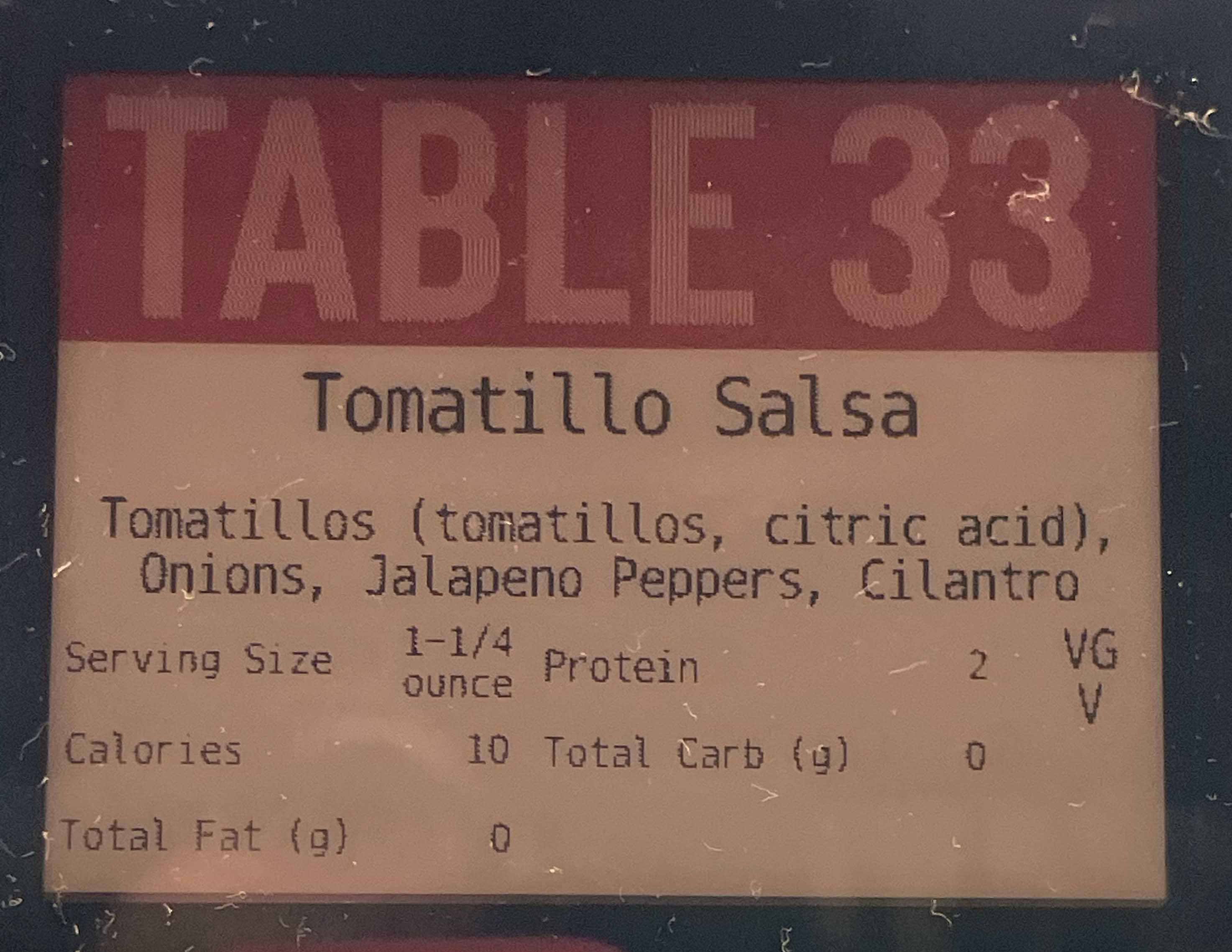 Each of the food concepts has a menu board, which can be changed remotely by the chefs in real time. The signs show ingredients and whether the dish is vegetarian, vegan, gluten-free or contains any common allergens. There also are indicators of whether something is a good protein source and what the calorie count and serving size are.
Another change has been to present the food on composed plates with smaller portions. Schurr said often students were filling up plates will as much food as possible and then leaving behind much of it. Patrons can take as many plates as they want, Schurr said — pointing to a group of young men each with multiple servings — and can sample the different cuisines.
The new design also brings “the action to the front house,” Schurr said. “We wanted our students and everyone in here to see our chefs and our teams working in the stations.”
All of the chefs and top managers wear blue hats, so they are the people to seek out if you have a question. Allergen experts are designated with a button.
The dining areas now include:
Table 33: Food from the 33 states in Latin America
Kokumi/Saffron: This area was all part of Kokumi last year, but was split in two this fall. Kokumi features pan-Asian food from China, Japan and Thailand. Saffron has North African, Middle Eastern and Indian, featuring Halal-certified proteins. Schurr said they partnered with the Muslim Student Association to pick the name.
Briny Pickle: A deli featuring sandwiches, salads and soups
Food Truck: American comfort food with corn dogs, mac and cheese, French fries, and onion rings, Halal-certified beef hamburgers and hand-spun milkshakes
Cucina: Hand-tossed pizzas and homemade pastas. They are adding made-to-order pasta days, and there are always vegetarian or vegan options.
Farm Stand: Aimed at those who are vegan, vegetarian and pescatarian
Flourish: Allergen-friendly station, features a rotation of menu items devoid of the nine common allergens: Milk, egg, peanut, soy, wheat, tree nut, shellfish, fish and sesame. Any team members who work in this area are certified on allergen training and only work there.
For allergen-free items at the Perch and campus-wide, contact Pitt Eats dietitian for tailored feedback based on individual dining needs. Additionally, Pitt community members can visit the Dine on Campus website for more information.
There also are three spaces outside the Eatery pay gates that anyone can access: Unwind, a coffee shop that also serves artisan breakfast sandwiches, local pastries and gelato; The Delicatessen, an all-new dedicated kosher space; and the Market at Towers, a contactless convenience store that allows customers to scan in, and then pick up items from shelves and just walk out.
Susan Jones is editor of the University Times. Reach her at suejones@pitt.edu or 724-244-4042.
Have a story idea or news to share? Share it with the University Times.